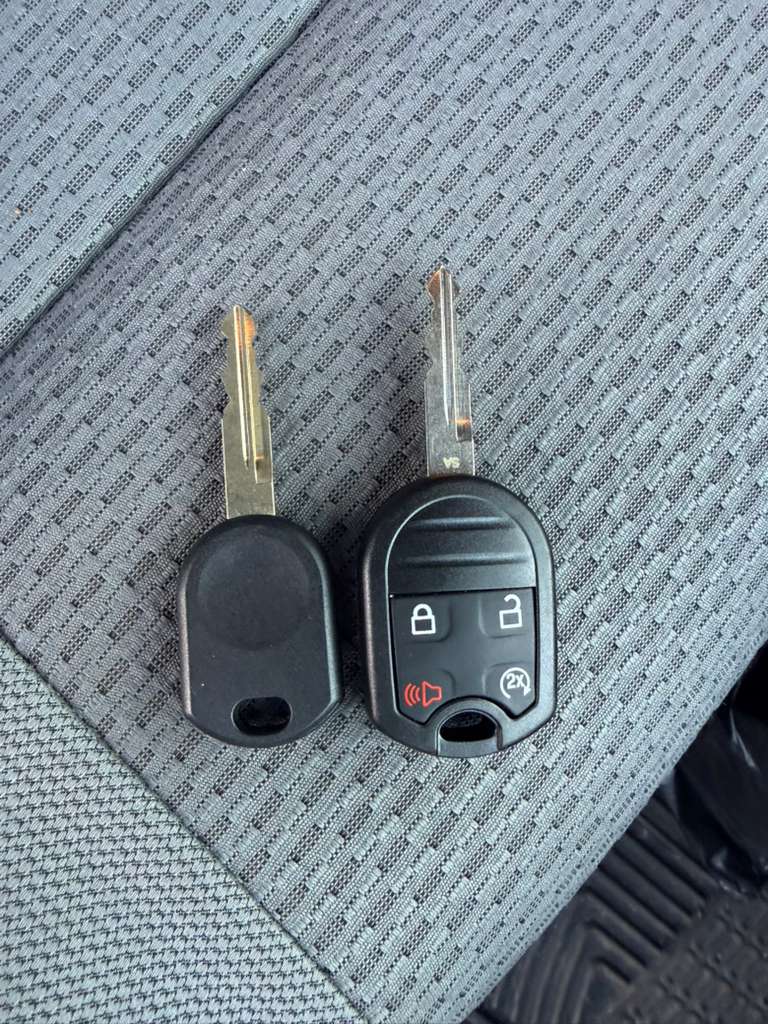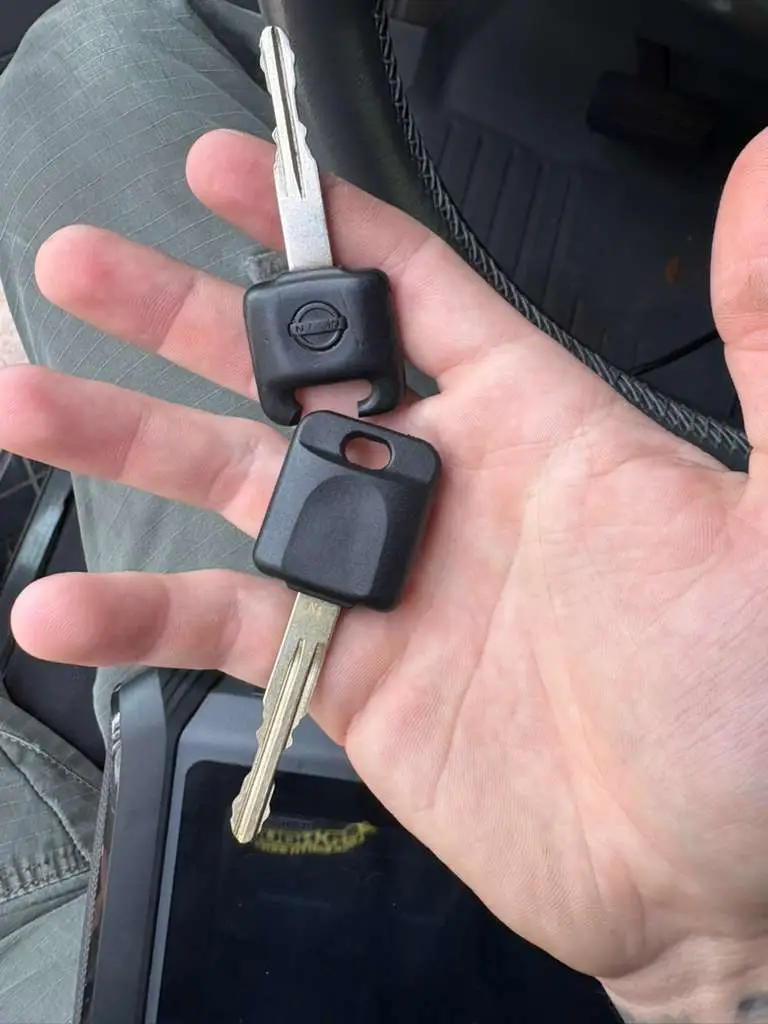
A transponder key has a hidden chip that the car must recognize before it will start. A key fob usually controls locks, the trunk, or a panic alarm, and some fobs also start push-button vehicles. A remote-head key combines a metal blade, chip, and buttons. Your vehicle details decide whether a replacement needs programming.
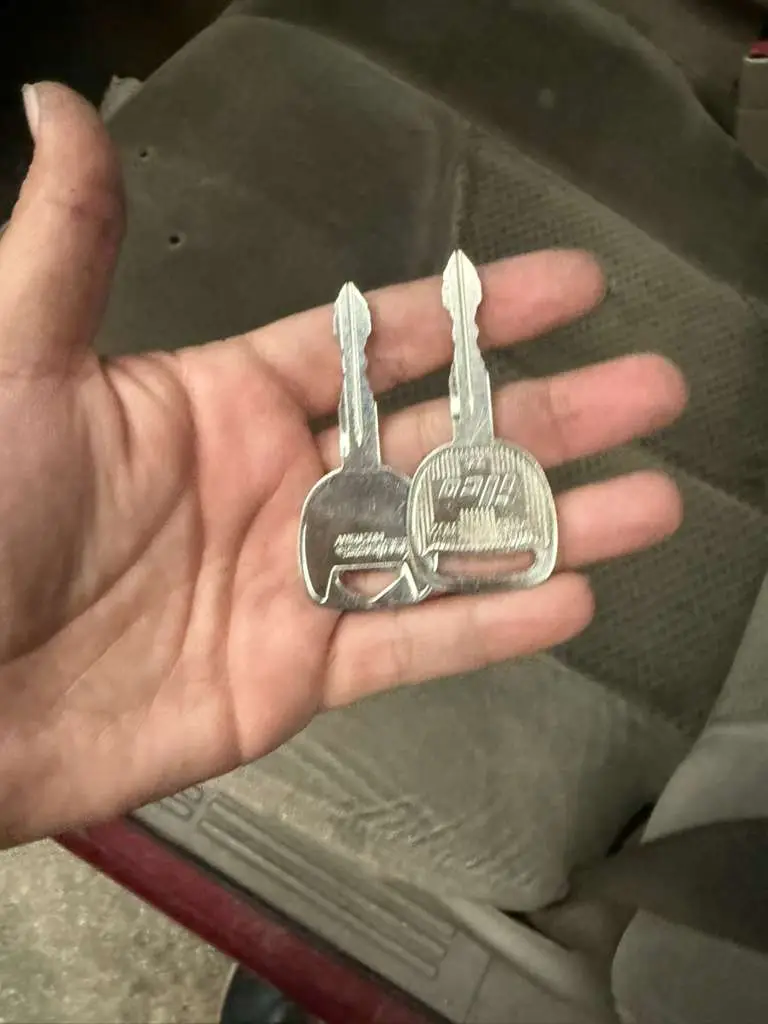
Start by looking at the key you use every day
The names overlap, which causes confusion. A key can have a metal blade and still contain an electronic chip. A fob can unlock the doors and also be needed to start the car. Look at how your car starts and what you hold in your hand instead of relying on the name used in an online listing.
| What you have | What it usually does | What a replacement may need |
|---|---|---|
| Metal key with no buttons | Turns a door lock and ignition | Cutting, though the vehicle may still use a chip inside the head |
| Metal key with a thick plastic head | Starts the car with a cut blade and hidden chip | Correct cutting and chip recognition by the car |
| Metal blade with lock buttons in the head | Starts the car and works remote door controls | Key cutting, chip setup, and remote setup depending on the vehicle |
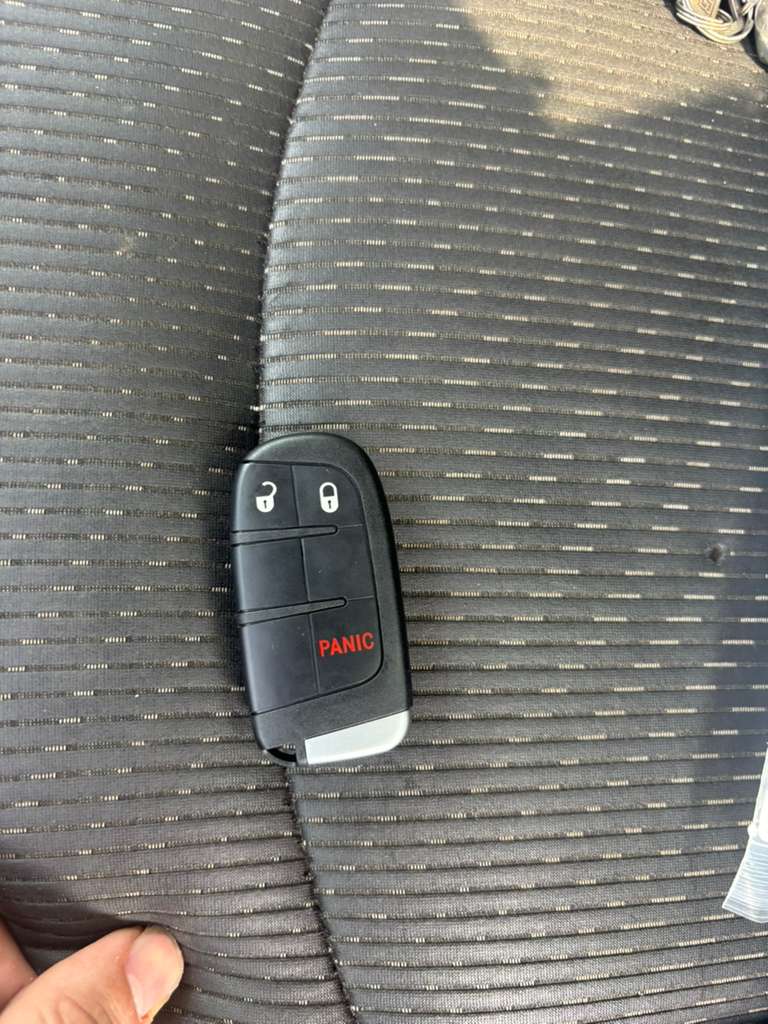
| Button-only fob for push-button start | Unlocks the car and lets an equipped vehicle start when detected | Vehicle-specific fob setup |
| Small separate remote | Controls locks, trunk, or panic alarm | Remote pairing or a battery check, depending on the problem |
The table is a starting point, not a fit check. The year, make, model, trim, and key options can change what the car uses. A metal blade alone does not prove that a simple hardware-store copy will start the vehicle.
What makes a transponder key different
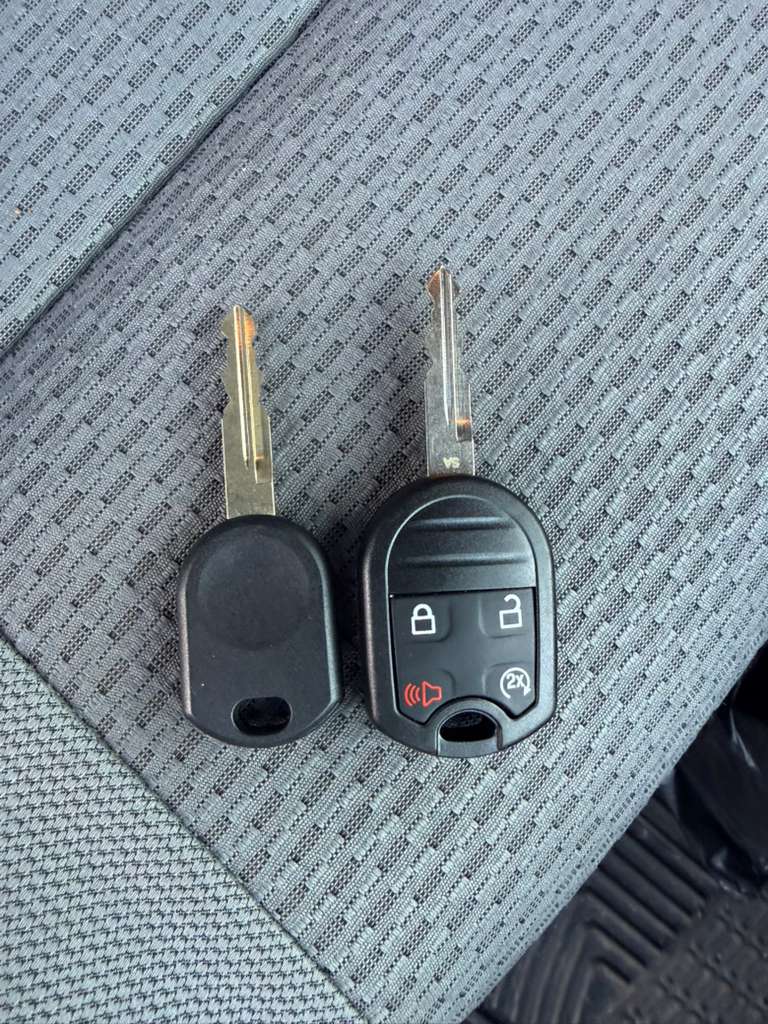
A transponder key is mainly a start key. Its metal blade may turn the ignition, but the car also checks a coded chip in the key. The chip is often inside the plastic head. If the car does not recognize that code, the engine may not start even when the blade fits the ignition.
The reason is the immobilizer, which is the car’s system for checking an authorized key before allowing the engine to run. In an NHTSA interpretation about electronic immobilizers, the agency describes a system that permits engine start only after it verifies the coded key. It also notes that a wrong code can lock out the engine control module.
Clues that you may have a transponder key
- Your key has a plastic head that is thicker than the blade.
- The car starts with a traditional ignition cylinder.
- A copied blade opens the door but does not start the car.
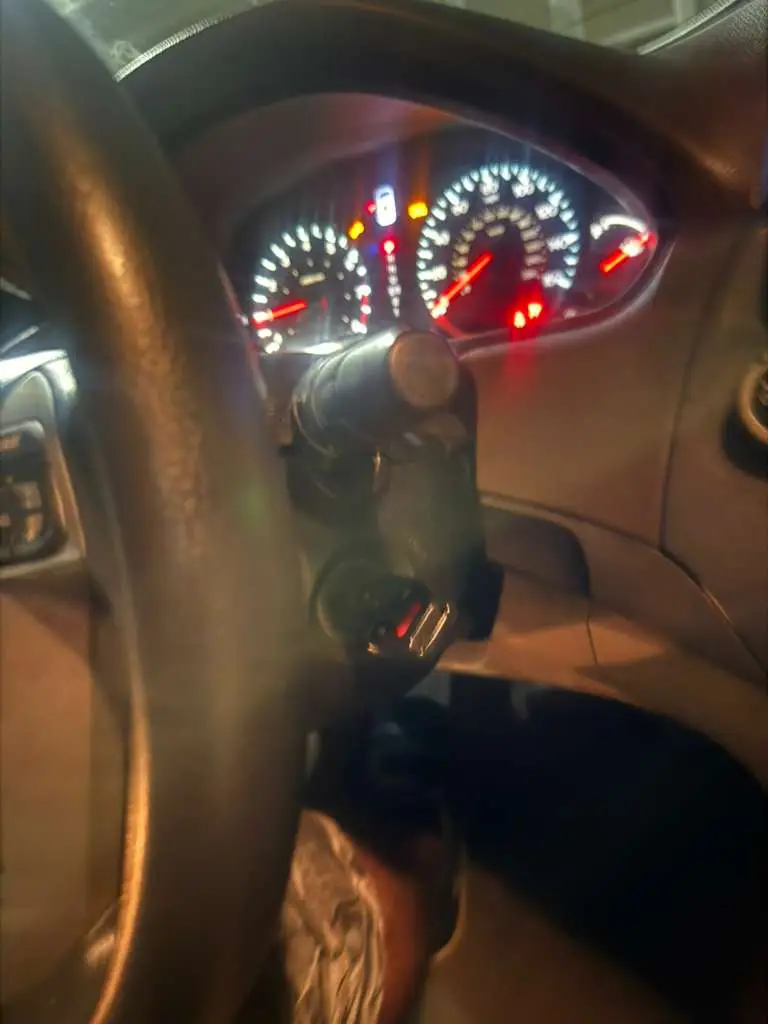
- Your vehicle has a security or key-shaped warning light that behaves differently when you try to start it.
These clues are useful, but they cannot confirm the exact key. Bring the vehicle year, make, and model into the conversation before ordering a part or requesting service.
What a remote does and what a key fob does
A remote sends commands to the car. It may lock or unlock the doors, open the trunk, sound a panic alarm, or operate another factory feature. A remote can be built into a key head, attached to a key ring, or shaped like a fob with no metal blade.
A key fob is the small electronic device you carry. In a push-button-start vehicle, it may do two jobs. It handles door commands and it lets the car detect an approved fob for starting. NHTSA says keyless ignition systems usually use a carried fob that electronically verifies the correct device when the vehicle starts. The agency also advises checking the owner’s manual because alerts and operation vary by model.
A remote-head key puts several parts in one item
A remote-head key has a blade, a transponder chip, and remote buttons in a single housing. It can look like a basic key with buttons, yet it may need separate work for each function. The blade must match the locks. The chip must be accepted for starting. The buttons may need to communicate with the car’s remote system.
If the buttons stop working but the vehicle still starts, the starting chip may be fine. A weak fob battery, a damaged button, or a remote that has lost its connection may be part of the problem. If the car unlocks but will not start, do not assume the remote is the only issue.
Use the way your car starts to narrow down the service
Your starting method gives the clearest clue. It also helps you describe the problem without guessing at the part name.
If you turn a key in the ignition
You may have a plain metal key, a transponder key, or a remote-head key. Check whether the key head is plastic and whether it has buttons. If you still have a working key, keep it with you. It can help identify the needed key style and show which functions still work.
If you press a start button
You likely use a proximity fob. Keep the fob in the normal starting position described in the owner’s manual. Some vehicles have a backup procedure when a fob battery is weak, but the location and steps differ by model. Use the instructions for your own vehicle rather than trying steps meant for a different make.
If you have a blade and a separate remote
The remote may only control the doors while the blade and chip handle starting. Ask for help based on the failed function. Say whether the issue is unlocking, starting, a broken blade, missing buttons, or a lost key. That detail helps avoid treating a remote problem like an ignition-key problem.
Why transponder key fob programming may matter
Transponder key fob programming is the setup that lets the car recognize the electronic part of a replacement key, remote-head key, or fob when the vehicle requires it. Cutting a metal blade and setting up electronics are different tasks. A blade can be cut accurately yet still not start a car if its chip is not recognized.
Programming needs vary. A replacement may need chip setup, remote pairing, both, or neither. The answer depends on the vehicle and the key type. An online part that looks the same may use a different internal design or may not match your vehicle’s equipment. Do not rely on the shape or button count alone.
For vehicle key work, the ALOA Security Professionals Association advises consumers to use knowledgeable locksmiths and notes that incorrect key cutting can create problems. Share the vehicle details before buying a replacement. It is also smart to keep receipts and packaging if you already bought a key or fob.
Prepare for a Houston mobile locksmith visit
Whether you are in a driveway, an apartment garage, a workplace lot, or near an airport hotel, a few details can make the call clearer. Do not leave the only working key inside the vehicle while waiting.
- Write down the vehicle year, make, model, and trim if known.
- Have the VIN ready if you can safely access it.
- State whether you have a working key, a damaged key, or no keys.
- Describe every failed function, such as door unlock, trunk release, ignition turn, or engine start.
- Have proof that you own or are authorized to use the vehicle.
- Keep any existing keys, fobs, broken pieces, and the replacement part together.
24 Hour Locksmith Service lists mobile Houston help for transponder chip keys, remote-head keys, and remotes through its Transponder and Key FOB programming service. The company says callers typically need the VIN and proof of ownership.
Know when a lost key changes the plan
A spare-key request and an all-keys-lost request are not the same. With a working key, you can show what currently starts the car and which buttons work. With no working key, the vehicle details and proof of ownership become even more important. Say that all keys are missing when you call instead of asking only for a duplicate.
If a key is bent, cracked, or held together with tape, avoid forcing it in the ignition or door. A broken key can turn a replacement need into a removal problem. Put the key and all pieces in a safe place and explain the damage.
Frequently asked questions
Can a dead key fob battery keep my car from starting?
It can on some push-button-start vehicles, though the result depends on the model and fob condition. Your owner’s manual may show a backup starting location or method. A fresh battery is not proof that the fob is compatible or recognized if the problem remains.
Does a car key need a battery to start the vehicle?
Many traditional transponder keys do not use a battery for the chip that the car checks at start. A remote-head key may still have a battery for its buttons. That is why a key may start the car even when its lock and unlock buttons no longer work.
Where can I find my VIN if I cannot start the car?
It is often visible through the windshield on the driver’s side of the dashboard. It may also appear on vehicle paperwork or insurance documents. Use a document you already have access to rather than entering the vehicle if you are locked out.
Should I erase old fobs after a key is lost?
Ask about that when you request service. The right next step depends on the vehicle and what was lost. Tell the locksmith whether the missing item had door-control buttons or push-button-start use so the situation can be assessed correctly.
For help identifying a car key or arranging automotive locksmith service in Houston, call 24 Hour Locksmith Service at (832) 979-7899 and have your vehicle details and proof of ownership ready.