If your car key won’t turn in the ignition, don’t force it. First, gently move the steering wheel while turning the key, confirm the shifter is fully in Park, and try a spare key if you have one. If those checks fail, an ignition repair locksmith can tell whether the key, lock cylinder, or another starting part needs work.
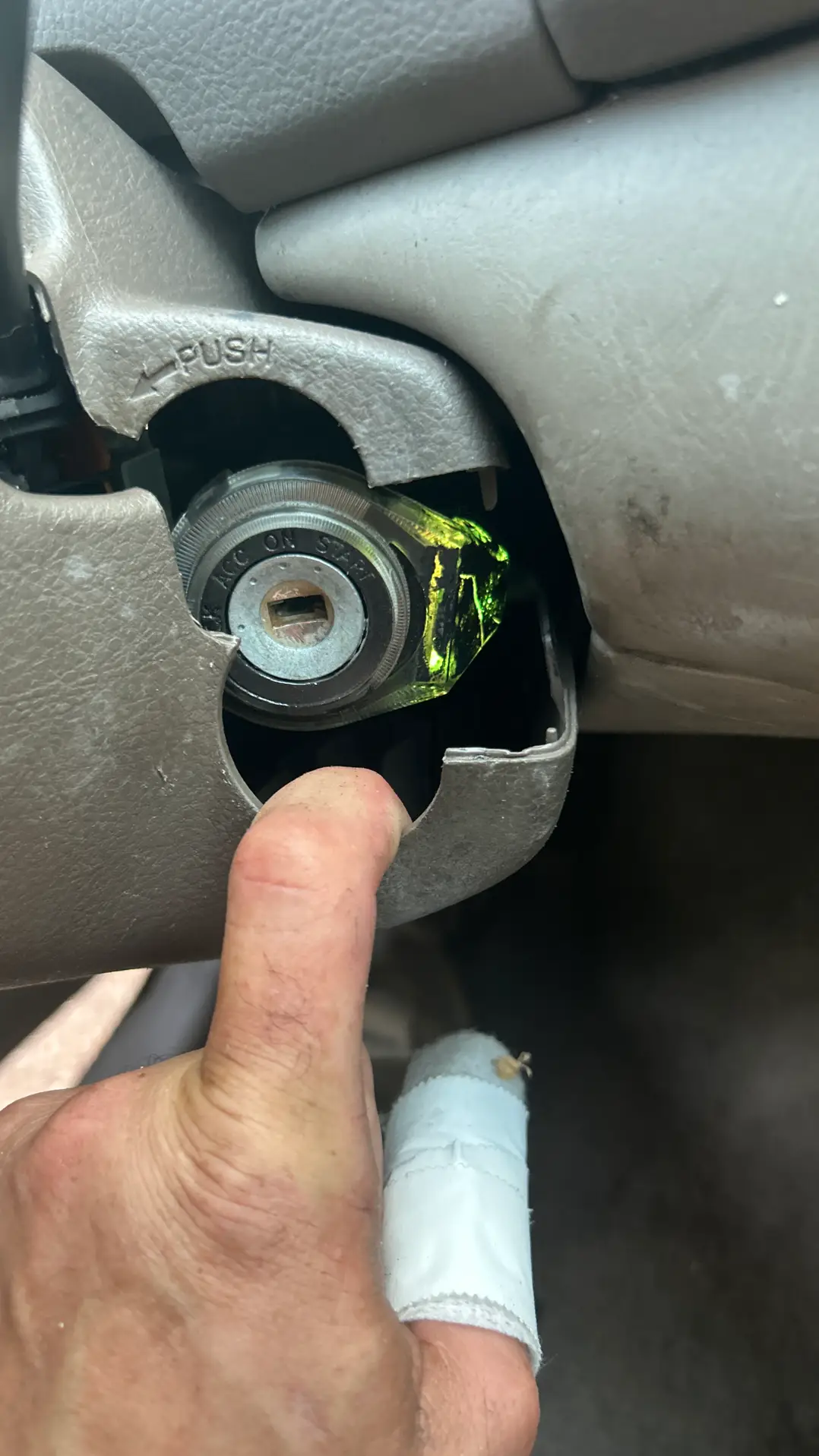
A stuck key can happen in a Houston driveway, office lot, garage, or gas station. The problem may be simple, but twisting the key hard can bend it or damage the lock. Start with the checks below while keeping the car secure and your foot on the brake.
Start with the steering wheel and shifter
Many cars lock the steering wheel when the wheel is turned after parking. That lock can put pressure on the ignition and keep the key from moving. It can feel like the key is wrong even when the key is fine.
AAA notes that gently moving the steering wheel while turning the key can help with a stuck or rough-turning ignition. Hold the key with light pressure toward the start position. Then move the wheel gently left and right. The wheel may move farther in one direction. Do not jerk the wheel or twist the key.
Next, check the gear selector. A car with an automatic transmission may not allow the key to turn unless the shifter is fully in Park. Press the brake, move the shifter firmly into Park, and try again. If your owner’s manual permits it, trying Neutral with the brake pressed may also help. Keep the parking brake set if you try this check.
Look closely at the key before blaming the ignition
Use the key as a clue. Is it bent, cracked, badly worn, or covered with dirt? Does it go into the ignition all the way? A key that has worn edges may no longer line up well with the small moving parts inside the lock.
Try a spare key if you have an original or a less-worn spare. This is a useful test because it changes only the key, not the car. If the spare turns smoothly, stop using the worn key. Repeated use of a damaged key may make the lock problem worse.
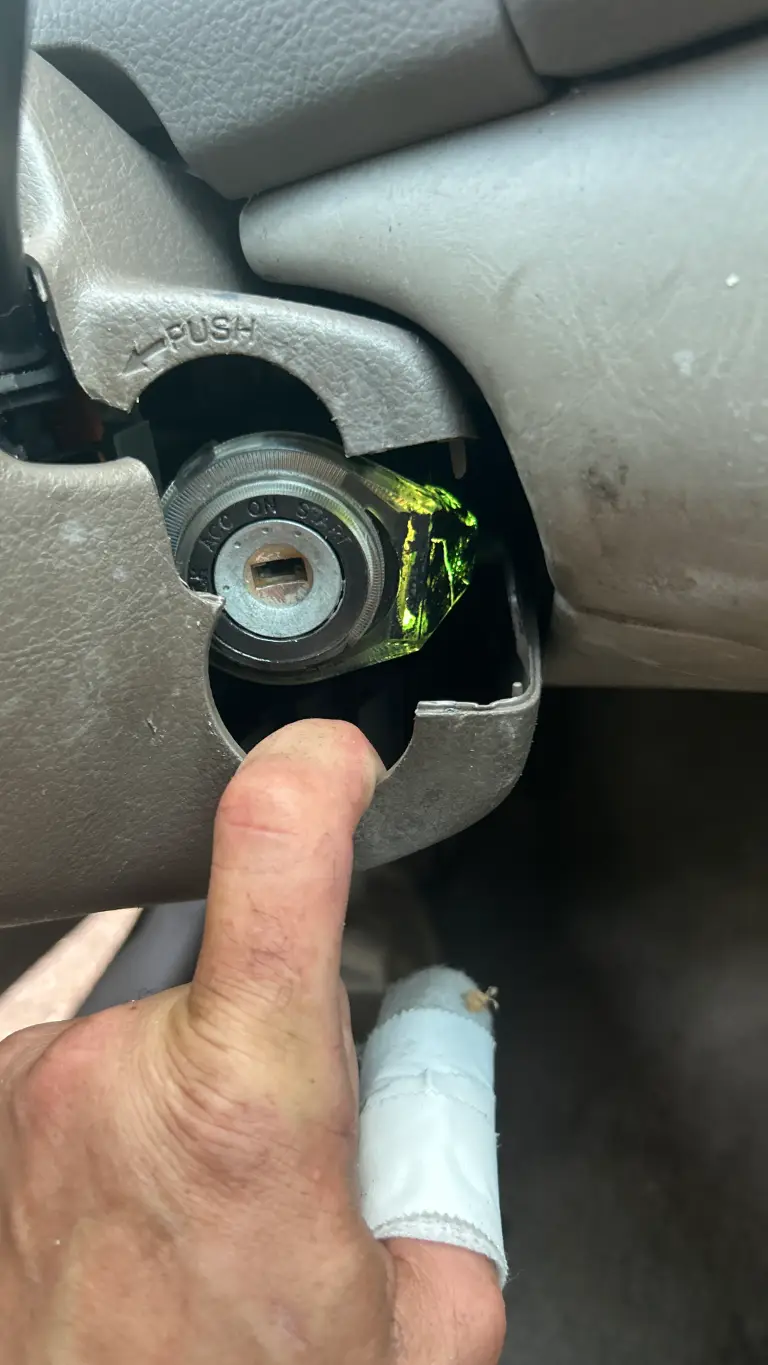
Cars.com describes the ignition lock cylinder as the mechanical key-entry part connected with the ignition switch. Its small internal pieces must match the key. Cars.com also notes that a worn key can damage those pieces. A new key made from the proper key code may be a better choice than copying a key that is already worn down.
What not to put in the key slot
Don’t spray a random household oil, glue, or cleaner into the ignition. Those products can leave residue or collect more dirt. Don’t insert wire, picks, or tools into the key slot. If you can see loose debris at the opening, leave the deeper cleaning and inspection to a qualified professional.
Also, remove a heavy key ring before you test the key again. It won’t repair a damaged lock, but it gives you a clearer feel for whether the key is binding.
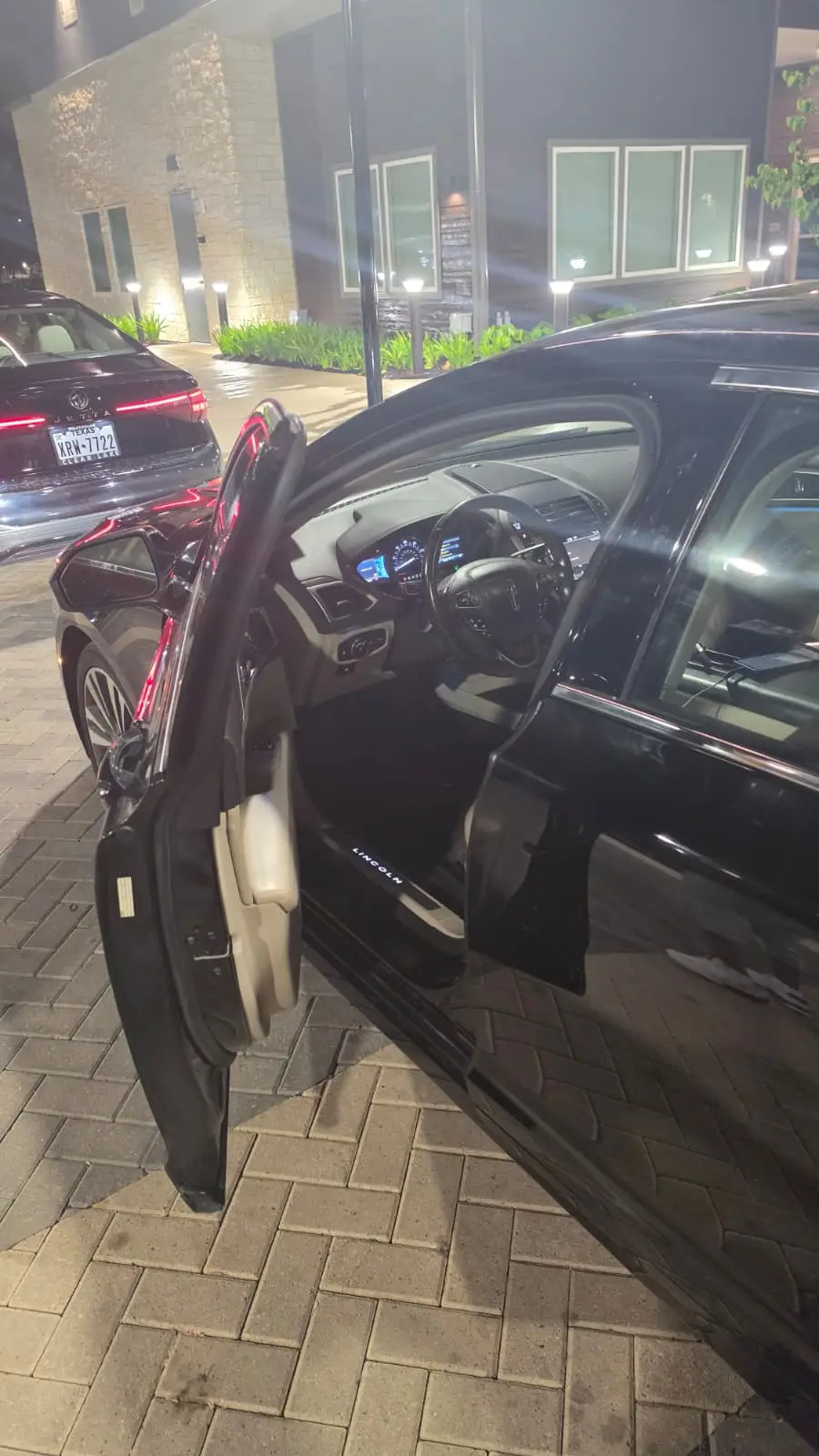
Signs the key may be the problem
- A spare key turns and starts the car normally
- Your usual key has bent edges, visible wear, cracks, or damage
- The key only works when held at a certain angle
- The key feels rough in the door lock and the ignition
- You recently copied an old, worn key and the copy never worked well
These signs point toward the key, though only an inspection can confirm the cause. Bring every key you have when you request service. Comparing keys can save time during diagnosis.
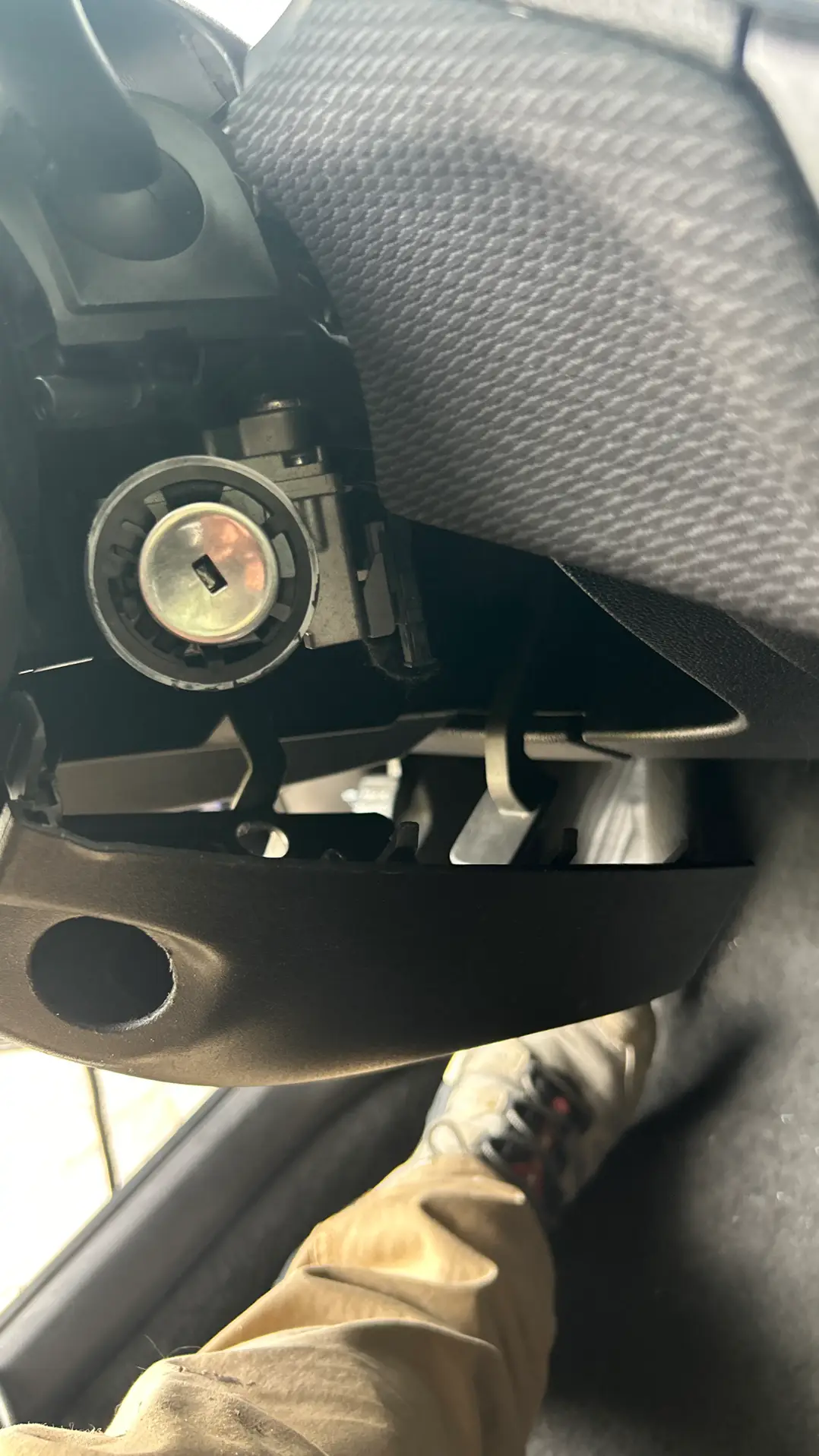
Signs the ignition may need repair
If both keys stick in the same way, the ignition itself becomes more likely. Wear inside the cylinder, dirt in the key path, or damage after a forced turn can keep the key from lining up. The problem may start as an occasional rough turn and become a full lockout.
Watch for a pattern that stays with the car rather than the key. The key may go in but refuse to rotate. It may turn only after several careful tries. It may turn to accessory mode but not farther. You may also notice dash lights flicker, accessories fail to power on, or the car does not crank after the key turns. AAA lists these as possible signs of ignition-switch trouble, but they do not prove that part is at fault.
The lock cylinder and ignition switch are related but different parts. The cylinder is where you put the key. The switch is the electrical part that sends power when the key turns. A professional needs to check the car before deciding whether repair, replacement, a key issue, or another starting problem is involved.
Know when to stop trying
Stop and call for help if the key feels like it may snap, the key is visibly bent, the key will not come out, or you have already tried the steering wheel, shifter, and spare-key checks without success. More force rarely solves a binding ignition. It can turn a key problem into a broken-key problem.
A key that turns but will not start the car needs a different kind of diagnosis than a key that cannot rotate. Battery trouble, a starting-system problem, or an electronic key-recognition issue may keep a car from starting after the key turns. Tell the service provider exactly which position the key reaches and what the dash does. Those details matter.
If smoke, flames, or a person trapped in a car creates immediate danger, call 911 first. Move away from traffic if you can do so safely. Do not leave children or pets alone in a car while you seek help.
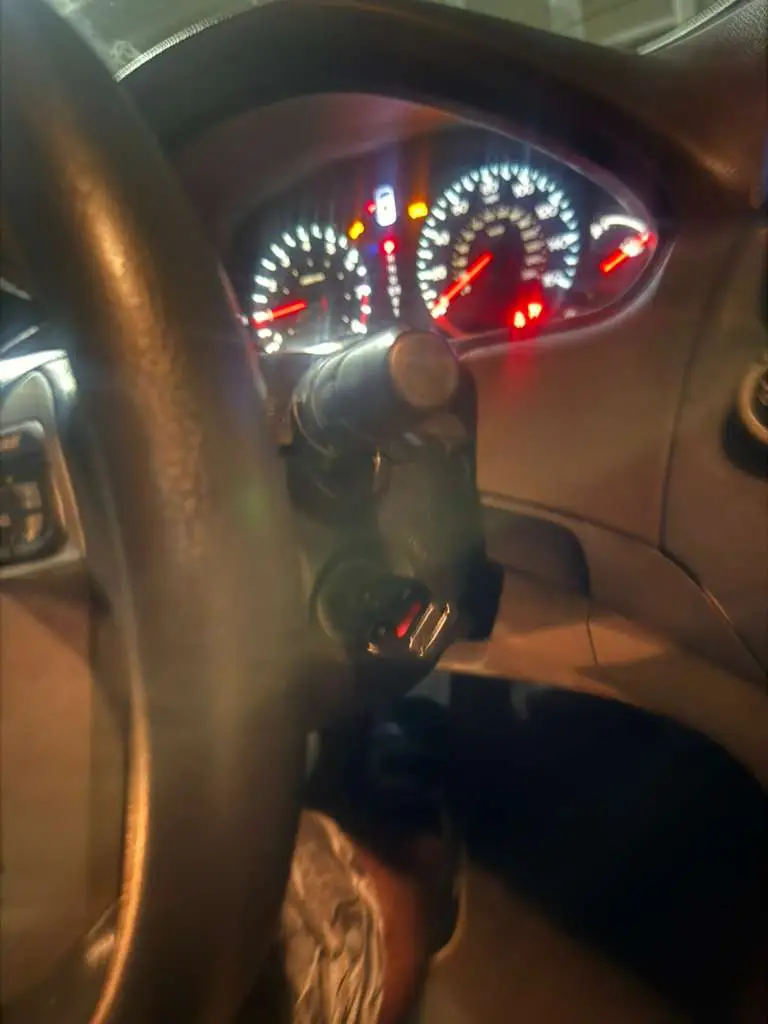
What to tell an ignition repair locksmith
Clear details help a mobile technician arrive ready to inspect the right problem. Before you call, gather:
- The car year, make, and model
- Whether the key will not go in, will not turn, will not come out, or turns without starting
- Whether a spare key behaves differently
- Whether the steering wheel is locked or the shifter feels out of position
- Any warning lights, flickering lights, clicking, or loss of accessory power
- Your exact location and a safe way to reach the car
Don’t take apart steering-column panels or try to remove the ignition on your own. Modern cars can have wiring and safety parts near that area. On-site diagnosis can help determine whether the car needs key work, cylinder work, or a different repair. For a Houston call, see Ignition repair and replacement to request the right automotive service.
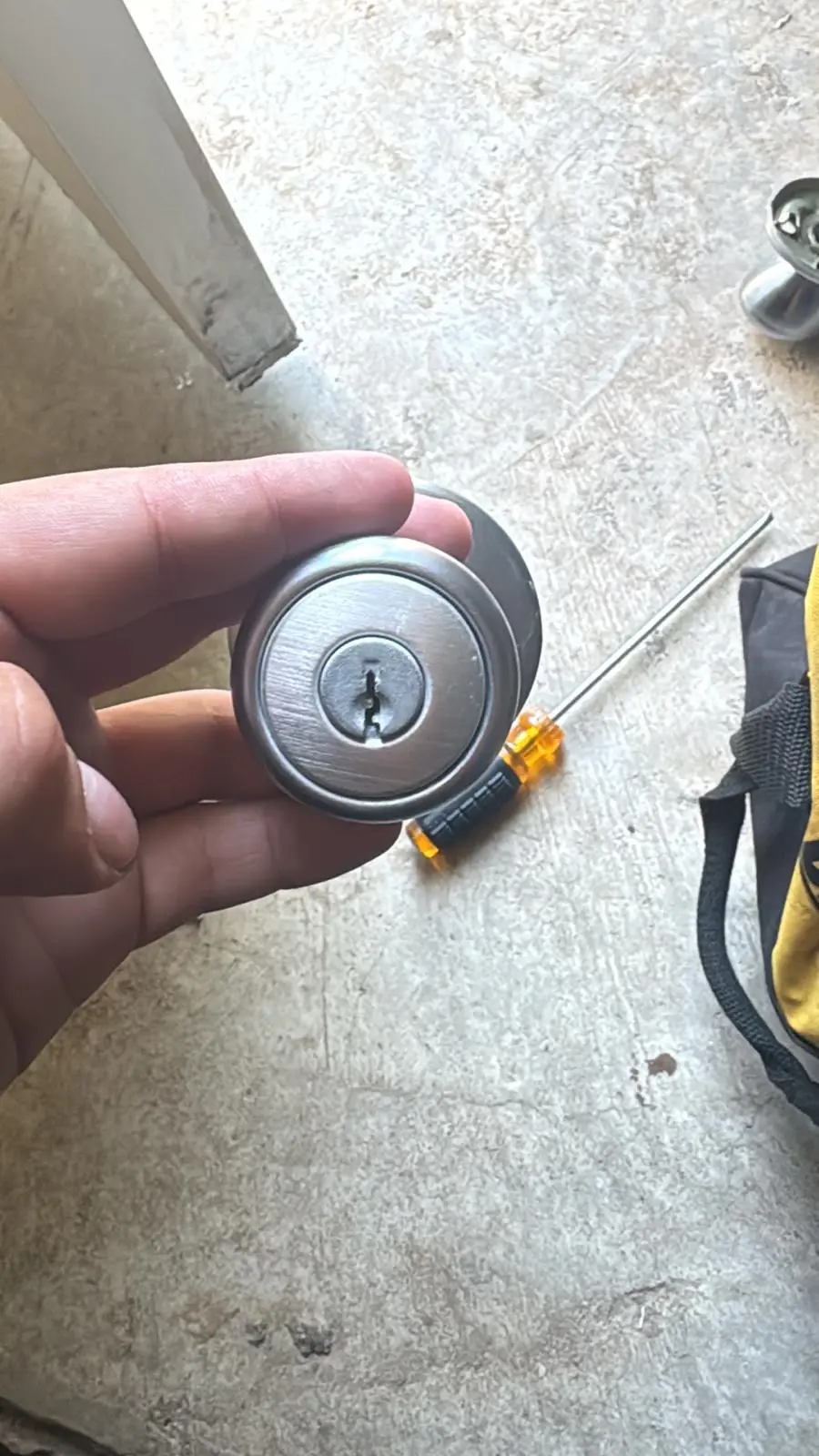
Protect the car while you wait
Take your keys, phone, wallet, and valuables with you if you must leave the car. Lock the doors if the key still works in them. If the car is in a parking area, note the level, row, landmark, and nearby entrance. Tell the technician if the car is blocking traffic or parked where access is limited.
Keep proof that you are allowed to access the car available. A technician may need to verify ownership or authorization before working on the ignition or making a replacement key. If the car is at home, clear enough space around the driver’s door for safe access.
FAQs
Can a key turn to accessory mode but still fail to start the car?
Yes. Accessory mode may power some items without reaching the position that starts the engine. Note whether the dash lights come on, whether the engine cranks, and whether you hear a click. Those observations help separate a turning problem from a starting problem.
What if the key is stuck and will not come out?
Set the parking brake, make sure the shifter is fully in Park, and use only gentle pressure while moving the steering wheel. Do not pull hard or use pliers. A stuck key can bend or break, and the car may need an inspection of the shifter linkage or ignition parts.
Should I tow the car before calling for ignition help?
Not always. A mobile automotive locksmith may be able to inspect an ignition problem where the car is parked. Ask what information is needed for your make and model before arranging a tow. If the car has damage or cannot remain safely where it is, follow local safety instructions and contact roadside assistance.
For a stuck car key or suspected ignition problem in Houston, call 24 Hour Locksmith Service at (832) 979-7899. Ask for automotive ignition repair service, share the car details and location, and arrange the next step without forcing the key.