Choose an exterior door lock by checking the door and frame first, then matching the lock to how your household enters and exits. Look for tested hardware, an inside release that is simple to use, and a finish suited to Houston weather. If the door is sticking, damaged, or needs new holes, plan for professional residential lock installation.
Start with the door, not the lock style
A lock that looks right on a shelf may not fit your door. Before buying anything, inspect the opening where the hardware will go. A new lock needs to work with the door’s size, shape, and movement.
Measure and note these details before you shop.
- Door material such as wood, steel, fiberglass, or glass-panel door
- Door thickness since lock products list the thicknesses they fit
- Backset which is the distance from the door edge to the center of the lock hole
- Existing holes including their size and spacing
- Door handing or which way the door swings and where the hinges sit
- Frame and strike area where the bolt enters when the door locks
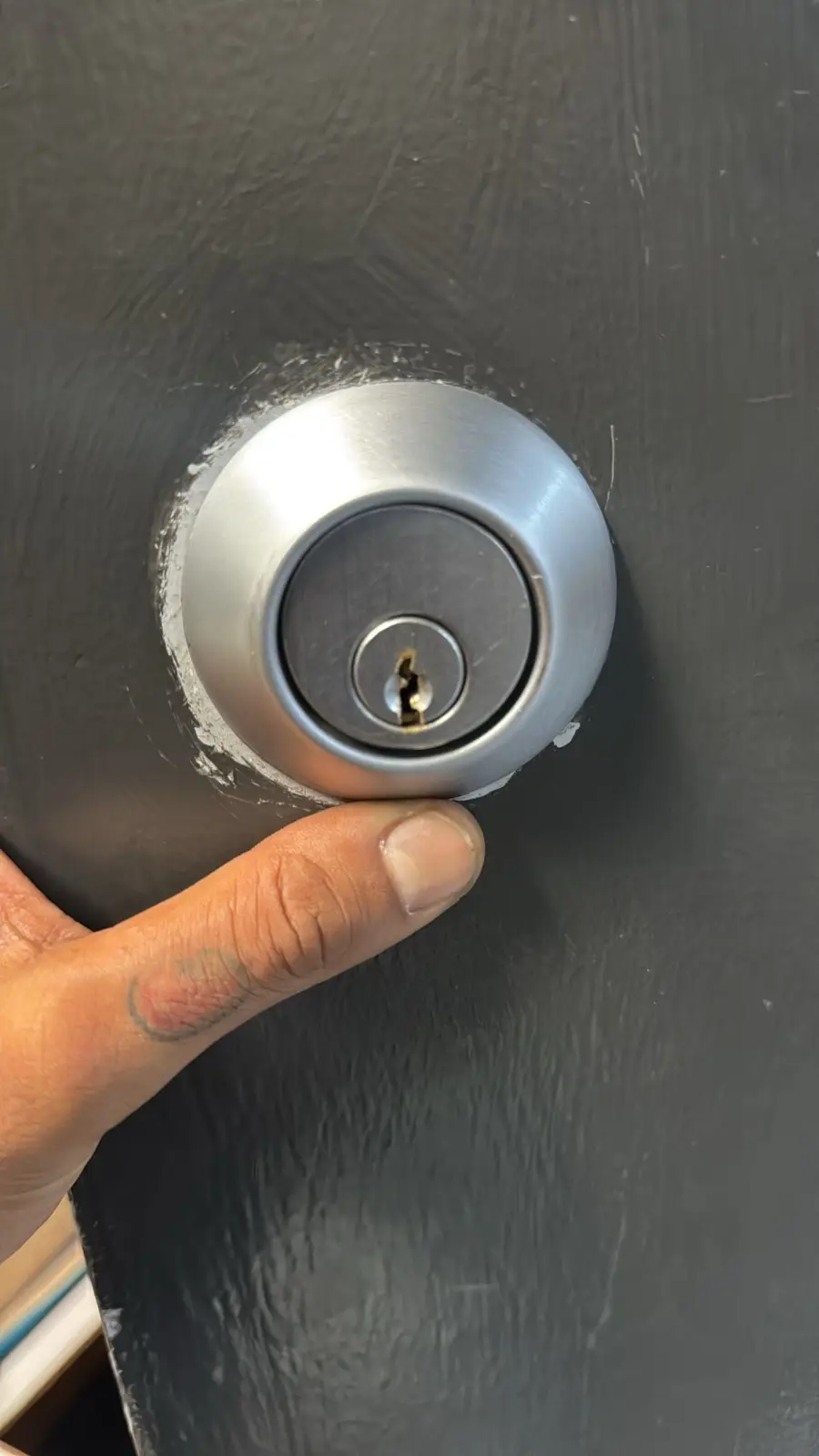
Close the door and turn the existing deadbolt. The bolt should move into the frame without lifting, pulling, or forcing the door. If it drags, the issue may be door alignment, the frame, or the strike plate. Replacing only the lock may leave you with the same hard-to-use door.
Door prep also affects the work. Existing holes might match the new hardware, or the door may need drilling, repair, or reinforcement. The Residential lock installation service from 24 Hour Locksmith Service includes checks of alignment, backset, bore holes, damage, and the frame before the lock is tested.
Pick the exterior lock type around daily access
Most entry doors use a deadbolt with a separate handle or an entry set with a deadbolt built into the trim. The best choice depends on who uses the door and how you want them to get in.
A keyed deadbolt keeps the routine simple
A standard keyed deadbolt is a familiar choice for a front, back, or side door. You lock and unlock it with a physical key from outside. It can suit a household that prefers keys and does not need guest codes or phone controls.
Think through key control before choosing it. Count the people who need keys. Consider trusted family members, pet care, cleaners, or a house sitter. Keep track of who has a copy. If you move into a home or a key does not return, changing the lock or having it rekeyed may be worth considering.
A keypad lock can reduce spare-key handoffs
A keypad lock lets a person use a code instead of carrying a key. This can fit homes where several people come and go at different times. Check how codes are added and removed before buying. You should be comfortable changing a code when someone no longer needs access.
Read the product instructions for battery type, low-battery notice, and its backup entry method. Keep the backup plan available to the people who need it. A keypad does not fix a door that is out of alignment, and its bolt still needs to enter the frame cleanly.
A smart lock needs a practical backup plan
Smart locks may offer phone control, alerts, temporary access, or connection with other home devices. Features differ by product. Confirm the lock works with the phone, home system, and access method you actually plan to use before installation.
Houston can have heavy rain, high humidity, heat, and power interruptions during storms. Check the manufacturer’s directions for outdoor exposure and battery care. Know what you will use if your phone is unavailable, the battery runs low, or your home internet is out. Depending on the product, that may be a physical key, keypad, or another listed backup method.
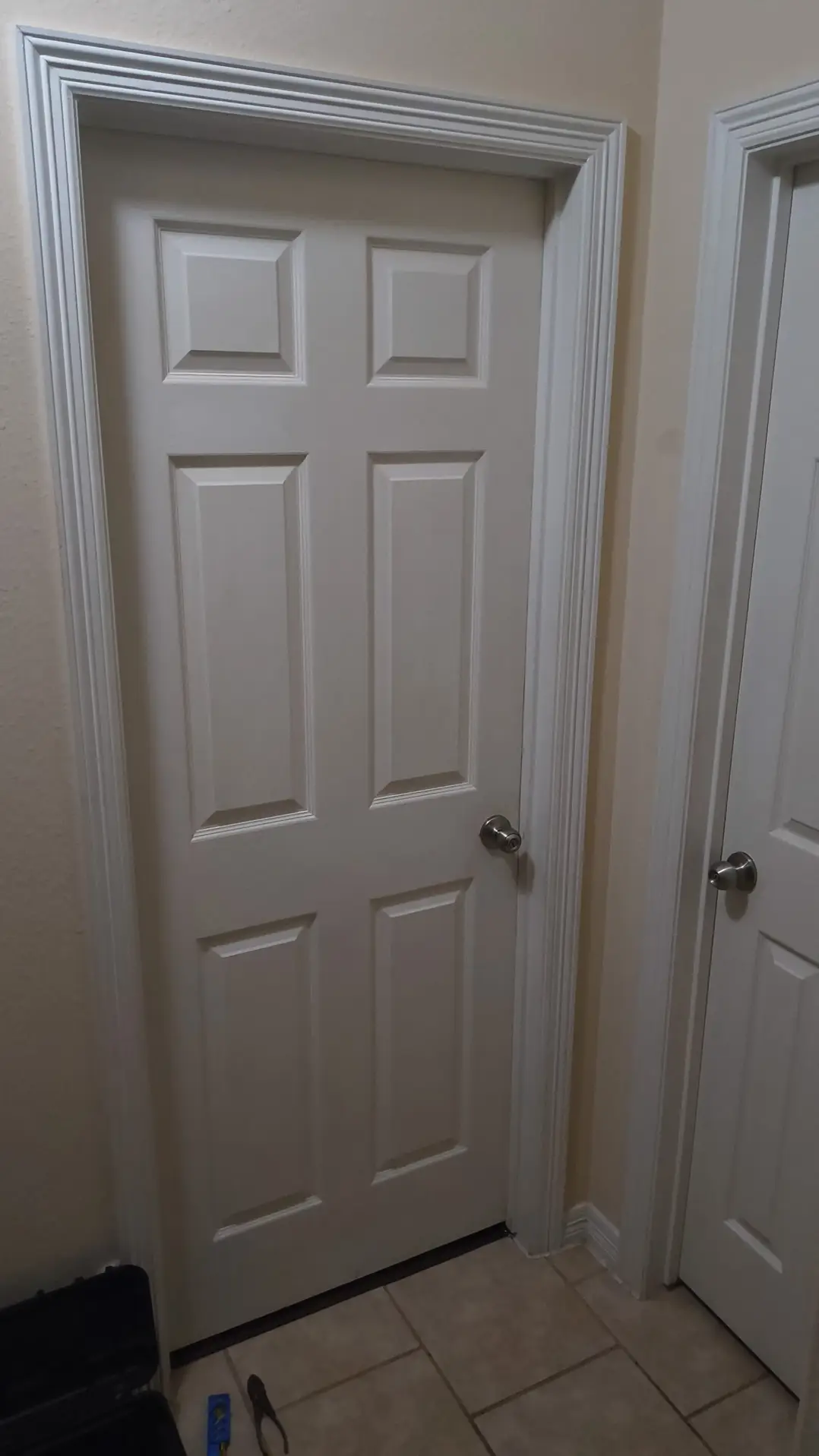
Use tested performance grades to compare locks
Style, finish, and price do not tell you how a lock performed in testing. Look at the product packaging or manufacturer information for an ANSI/BHMA grade. The ANSI Blog explains that ANSI/BHMA Grade 1 is the highest performance level, followed by Grades 2 and 3.
A grade is useful when you are comparing similar locks. It reflects testing of the lock and hardware against a standard. Pick the grade with the door’s use in mind. A busy family entrance may face more daily cycles than a seldom-used side door. The grade is not a promise of a set lifespan in your home. Installation, weather, alignment, and care still matter.
Also read what the grade applies to. A lockset, deadbolt, handle, strike, and door frame are separate parts of the whole entry. Stronger lock hardware cannot make up for loose screws, rotten wood, a bent frame, or a bolt that barely reaches the strike.
Check the strike plate and frame before spending more
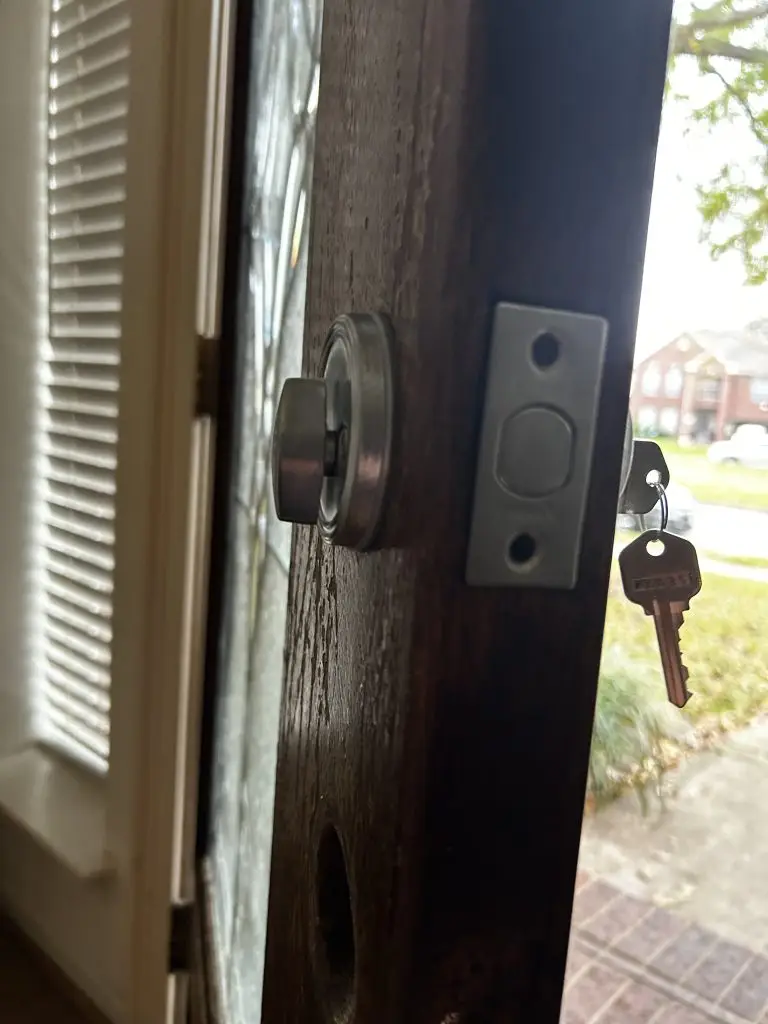
The strike plate is the metal piece on the frame where the deadbolt lands. It matters because it receives the bolt every time you lock the door. Open the door and look at it closely.
- Check for loose or missing screws.
- Look for split wood, rust, cracks, or a plate that has shifted.
- Lock the door slowly and see whether the bolt enters the opening near the center.
- Watch for a bolt that hits the plate before it can extend fully.
- Check whether the frame feels loose when the door closes.
Do not force a deadbolt into place each day. Forcing can wear parts and may leave the door hard to secure. A locksmith can assess whether adjustment, repair, a different strike, or another installation approach fits the condition of the door.
Keep the exit side easy to use
Your exterior lock must let people get out quickly. Think about a child, older adult, guest, or anyone trying to leave during a stressful moment. The inside thumbturn or release should be easy to find and turn without a key.
The International Code Council’s 2024 International Fire Code states that egress doors generally must be openable from the exit side without a key, special knowledge, or special effort. Local rules and property type can affect the details, especially in rentals, condos, and shared buildings.
Do not add an extra keyed lock on the inside just because it seems more secure. It may slow an exit. If you are unsure about the door’s role or a property rule, ask the property manager, HOA, or a qualified local professional before changing the hardware.
Match the lock finish to outdoor exposure
An exterior lock faces sun, moisture, dirt, and repeated hand contact. Choose a finish and product rated by its maker for exterior use. Look at the door’s location too. A covered front porch has different exposure than a side door that gets direct rain and sun.
Check the door sweep and weatherstripping while you are there. Water entering around the door can affect wood, paint, and the frame over time. Clean the lock using the manufacturer’s care directions. Avoid spraying unknown oils or cleaners into a keyway, keypad, or electronic parts.
Make a household access plan before installation
A lock choice works better when everyone knows the plan. Decide these points before the hardware is installed.
- Choose which exterior doors need new locks and which should keep the same key.
- Decide who needs a physical key, code, or phone access.
- Pick a safe place for any backup key that does not create an easy entry point.
- Write down the lock brand, model, battery type, and code-change steps in a private place.
- Test entry and exit with each regular user after installation.
If you rent, check your lease before changing locks. If you live in a condo or HOA community, check whether the exterior hardware finish, style, or keying must follow building rules. These checks can prevent a purchase that you later need to replace.
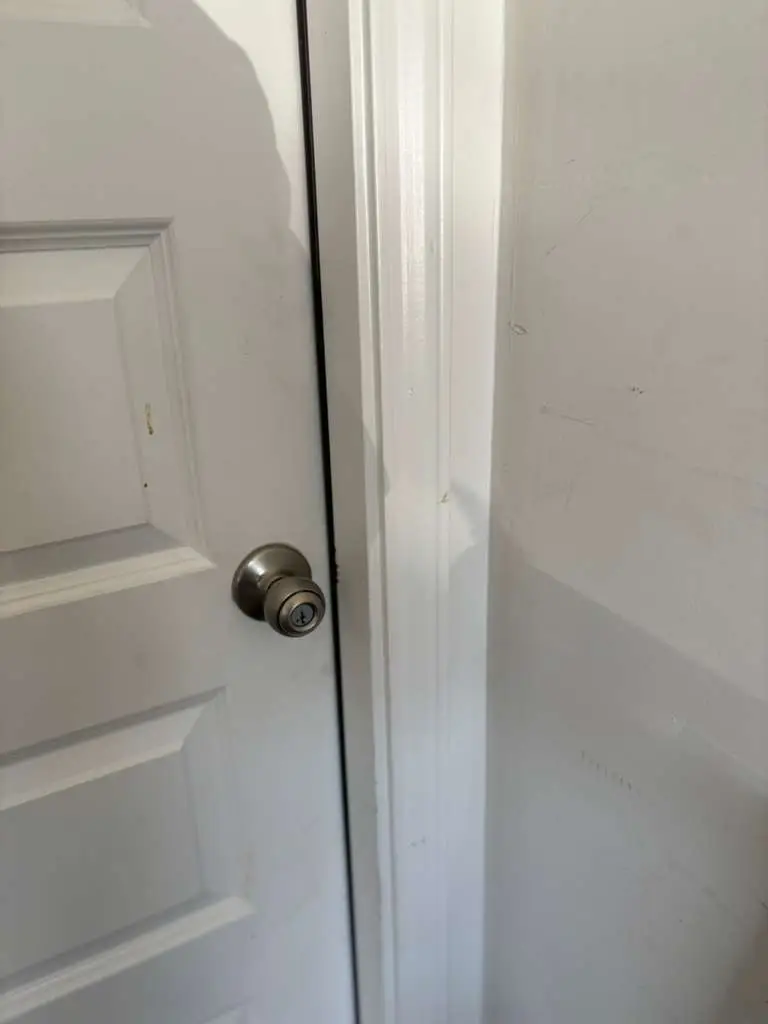
Know when installation help is worth it
Some replacements are straightforward when the new lock matches the existing door holes and the door closes well. Get help when the door needs a new hole, the deadbolt will not line up, the frame is damaged, or you want several doors keyed to one key. Help also makes sense when fitting a smart lock, a mortise lock, a sliding door lock, French-door hardware, gate hardware, or a garage side-door lock.
Before the appointment, take photos of both sides of the door, its edge, the frame, and the existing hardware. Have the lock you are considering nearby, if you have bought it. Tell the technician which doors you want on the same key and who needs access after the work is done.
FAQs
Should my front and back doors use the same key?
They can, if the lock cylinders are compatible and you want fewer keys to carry. Using the same key can be handy for your own exterior doors. Some households prefer a separate key for a gate, shed, or less-used entry so a lost key does not open every lock. Choose based on convenience and how you manage key copies.
Can I put a new deadbolt on a door that already has a knob lock?
Often, yes, if there is enough space between the two lock positions and the door has room for the required holes. Door construction and glass placement matter. Check the new deadbolt template and instructions before drilling. A professional can inspect the door if spacing or door strength is unclear.
What should I do with an exterior lock after a storm?
Check that the door closes, the bolt extends fully, and the frame has no new cracks or movement. Wipe off standing moisture and follow the lock maker’s cleaning directions. If the door swelled, shifted, or has water damage, avoid forcing the lock and arrange an inspection.
For help choosing and fitting exterior door hardware in Houston, call 24 Hour Locksmith Service at (832) 979-7899 for residential lock installation. Share your door type, the lock you want, and any sticking or frame issues so the next step can fit your home.