
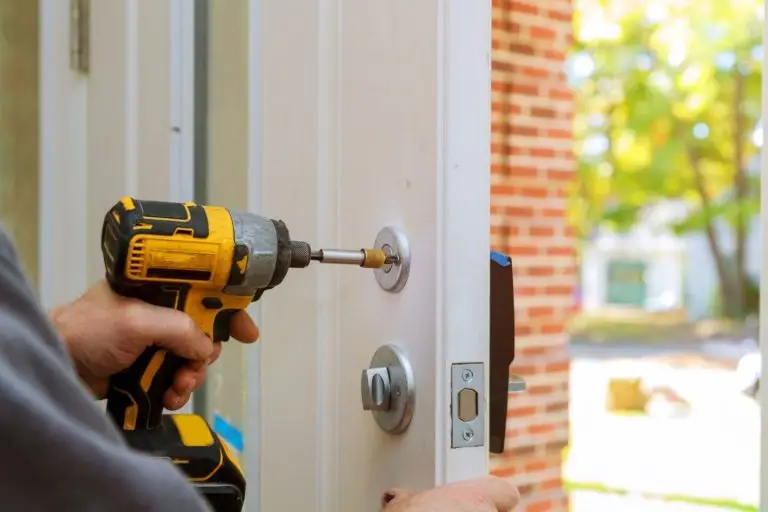
A worn deadbolt does not always need a full swap, but it also should not be ignored. If the lock is only sticky, loose, or dry, a small repair or tune-up can bring it back. If it is old, damaged, hard to turn even after cleaning, or easy to jiggle, replacement is often the safer move. The goal is simple, keep the door solid, the key smooth, and the lock hard to beat.

Why deadbolts wear out, even the “good ones”
A deadbolt is like a work boot. It can take a lot, but it still wears down with miles.
Every day, the bolt slides in and out. Pins move. Springs flex. The key rubs metal. Screws loosen a hair at a time. Then Houston weather jumps in.
Heat makes parts expand. Humidity invites light rust. Big rain swings can make wood doors swell, then shrink later. That door shift can push the bolt out of line with the strike plate. When the bolt hits metal instead of sliding cleanly, it wears faster.
If you live near areas with lots of traffic and vibration, like around I-10 or the 610 Loop, doors can also shake more than you think. A little movement over years can turn into loose hardware.
Repair vs replace, what each really means
People hear “repair” and think it is a quick squirt of oil. Sometimes it is. Sometimes it is more.
Deadbolt repair often includes:
- Tightening and resetting the lock and strike plate
- Cleaning out dirt, old lube, and key gunk
- Fixing alignment so the bolt slides straight
- Replacing small parts when the model allows it
- Rekeying if keys were lost or copied
Deadbolt replacement often includes:
- Removing the old lock and installing a new deadbolt
- Updating the strike plate and screws
- Fixing door prep issues so the new lock sits right
- Matching the deadbolt to your door, use, and security needs
A simple rule of thumb is this, if the lock body and bolt are still solid, repair might work. If the core parts are worn, cracked, or outdated, replacement wins.
How to judge a deadbolt’s age when you are not sure
Most people do not know how old their deadbolt is. That is normal.
Try these clues:
- New keys look sharp and clean. Older keys often look rounded at the teeth, like a river rock.
- The lock face has wear marks. Scratches around the keyway and faded finish can mean years of use.
- You have many copies of the key. If you have “the good key” and “the spare that kind of works,” the lock has likely seen a lot.
- The door has been there a while. If the house is older and you never changed locks after moving in, the deadbolt could be much older than you think.
If you do know the age, a simple idea helps. A deadbolt used many times a day wears faster than a deadbolt on a back door you rarely use.
Worn deadbolt signs you can spot in two minutes
Stand at the door with the door open first. That keeps things safe and easy.
Look for these signs:
- The key sticks or needs a wiggle
- The key turns, but feels gritty
- The thumbturn feels loose or sloppy
- The bolt does not slide out smoothly
- The bolt has scrape marks or flat spots
- The lock “works,” but only if you pull the door hard
- The deadbolt throws, then springs back a little
- The door has a new rubbing spot near the latch side
If your deadbolt is acting like it needs a pep talk every time you use it, it is giving you data. Listen to it.
A quick “do this, then that” troubleshooting list
Use these steps to decide your next move. Keep it simple.
- If the key works fine with the door open but binds when closed, then your strike plate alignment is off, repair and alignment may fix it.
- If the deadbolt is hard to turn both open and closed, then the lock may be dirty or worn, cleaning may help, but replacement may be needed if it stays rough.
- If the thumbturn spins too easily or feels loose, then screws may be loose or the tailpiece may be slipping, repair may help.
- If the key goes in rough or catches, then the key could be worn or the cylinder could be damaged, try a fresh key cut, if it still catches, replacement is likely.
- If the bolt does not fully extend without forcing the door, then the door may be swelling or the frame shifted, adjust the strike plate and check hinges.
- If the bolt extends but you can wiggle it a lot in the hole, then the strike opening may be too big or worn, a stronger strike setup may be needed.
- If the lock has been drilled, forced, or looks bent, then replacement is the safer path.
- If keys were lost, copied, or you just moved in, then rekeying or replacement can restore control.
Repair makes sense when the lock is still “healthy”
Repair is a good choice when the deadbolt is basically sound and the trouble is from setup, dirt, or looseness.
Common repair wins
Misalignment.
This is a big one in Houston. Doors swell with humidity and rain. A deadbolt that used to slide clean can start hitting the strike plate edge. You feel it as a hard turn. For related help, see Residential lock repair and Residential lock installation.
Loose mounting.
The lock and strike plate are held by screws. Screws back out over time. When the lock shifts, the bolt drags.
Dry parts.
Locks need the right kind of lube. If someone used the wrong spray in the past, the lock can gum up. Dirt sticks to it like a magnet.
Worn keys, not a worn lock.
A rounded key can make a lock feel broken. A new key cut from the right code can bring back smooth turning.
Small safety note
Do not force the key hard. A snapped key can turn a small problem into a bigger one fast.
Replace makes sense when the lock is “tired” or outdated
Sometimes a deadbolt has done its job for years and is ready to retire. No shame in it. Even a tough lock has a finish line.
Signs replacement is the better move
The cylinder is worn.
If the pins are worn, the lock can feel mushy. It may take extra jiggling. It may also be easier to pick or bump than it should be.
The bolt or housing is damaged.
If the bolt is bent or the lock body is cracked, repair may not last.
You see rust inside or heavy corrosion.
Houston humidity can be rough. Surface spots are not always a deal breaker, but heavy corrosion can cause ongoing trouble.
The lock is a low security style.
Some older deadbolts and cheap models do not give the best resistance. If your goal is stronger door security, replacement can be a smart upgrade.
The door hardware does not fit tight anymore.
If the hole in the door is chewed up or the strike area is worn out, a new lock paired with proper door prep is often the clean fix. If you want to restore key control at the same time, Residential lock rekeying is a related option.
Security level, what matters more than fancy talk
A deadbolt is only as strong as the full setup. Think of it like a chain, the weakest link sets the limit.
Key factors:
- Bolt throw. A longer, solid throw helps the bolt seat well in the frame.
- Strike plate strength. A strong strike plate and long screws help tie the frame together.
- Door and frame condition. A great lock on a weak door is like putting racing tires on a shopping cart.
- Single cylinder vs double cylinder. Many homes use single cylinder for faster exit. Some doors with glass nearby may call for other choices. Local code and safety needs matter, so ask a pro before changing styles.
If you want a plain goal, you want a deadbolt that locks smoothly, sits tight, and does not rely on “just pull the door harder.” For general background, see https://en.wikipedia.org/wiki/Deadbolt.
A simple comparison table
This keeps the choice clear.
| Situation you see | Likely best path | Why |
|---|---|---|
| Key turns fine with door open, binds when closed | Repair | Alignment or door shift is common |
| Thumbturn feels loose | Repair | Screws or tailpiece may be the issue |
| Key is worn, spare key works better | Repair | Fresh key cut can solve it |
| Lock is gritty even after cleaning | Replace | Internal wear is likely |
| Bolt or housing is bent or cracked | Replace | Damage spreads and can fail |
| You just moved in and want control of keys | Rekey or replace | Restores key control fast |
| Lock is very old and low security | Replace | Upgrade can improve protection |
What we usually see in Houston, TX
In places like Spring Branch and around older homes near The Heights, we often run into doors that have shifted a bit over the years. The lock is blamed, but the strike plate is the real troublemaker. In newer builds with tight weather seals, we see doors that press hard against the frame, so the deadbolt drags unless the hinges and strike are set just right.
We also see humidity wear, small rust spots, and sticky locks after big rain weeks. A quick service visit can often stop that slow slide toward failure. If this is urgent, Emergency locksmith help may be the right fit.
Weather tie-ins, why Houston heat and humidity matter
Houston weather can feel like a wet towel some months. That moisture can sneak into a keyway. Dust sticks. Old oil turns into grime.
Heat can also expand metal parts a touch. That can change how the key feels. Wood doors can swell after storms, then dry out later. Each cycle can nudge alignment off little by little.
What you can do:
- Keep the door aligned so the bolt does not scrape.
- Use proper lock lube, not heavy oil that traps dirt.
- Watch for new rubbing spots on the door edge after weather swings.
For local weather guidance, see https://www.weather.gov/.
Common myths and facts that steer people wrong
Myth: If it locks, it is fine.
Fact: A lock that “sort of” works may fail at the worst time, like when you are late for work.
Myth: More force fixes it.
Fact: Forcing the key can bend parts or snap the key, then you are stuck.
Myth: Any spray lube is good lube.
Fact: Some sprays leave residue that grabs dirt, then the lock gets worse.
Myth: A new deadbolt alone makes a door secure.
Fact: The strike plate, screws, and door frame matter just as much.
Care schedule that keeps deadbolts working
You do not need to baby a deadbolt. Just give it basic care, like checking tire pressure.
Weekly
- Turn the deadbolt twice when you come home, feel for new drag or grinding.
- Look at the strike plate area for fresh scrape marks.
Monthly
- Tighten visible screws on the interior side if they feel loose.
- Clean the key and use a clean keyway tool if you see dirt buildup.
Yearly
- Have the lock checked for wear and alignment.
- Consider rekeying if keys have changed hands, like after a roommate move out.
- Check weather stripping and door fit, since door movement causes many lock problems.
When to call a locksmith instead of wrestling with the lock
Call when:
- The key is starting to twist or bend when you turn it.
- The lock works only if you lift or pull the door hard.
- The deadbolt sticks and you cannot fix it with simple alignment checks.
- You had a break-in attempt, even if the door still closes.
- You want better security but do not want to guess what fits your door.
A locksmith can spot door fit issues, worn cylinders, and weak strike setups fast. That saves time and keeps your door in good shape. For service options, visit Residential locksmith or Contact Us.
FAQs
How long should a deadbolt last?
It depends on use, door fit, and weather. A front door lock used many times daily will wear faster than a back door lock used once a week. If it starts sticking or feeling gritty, it is time to inspect it.
Can a deadbolt be rekeyed instead of replaced?
Many can. Rekeying changes the pins so old keys no longer work. It is a good move after moving, lost keys, or too many copies floating around.
Why is my deadbolt hard to turn when the door is closed?
This often points to alignment. The bolt may be rubbing the strike plate or the door may be pressing on the frame. Houston humidity can swell doors and shift the fit.
Is it safe to use graphite in a deadbolt?
Some people use it, but results vary by lock type and what is already inside the keyway. If the lock has old residue, adding more can make a paste. If you are not sure, ask a locksmith to service it the right way.
What is the biggest sign I should replace my deadbolt?
If it keeps sticking after cleaning and alignment checks, or if parts are bent, cracked, or heavily corroded, replacement is often the better path.
Can I fix a deadbolt that only works if I pull the door?
Sometimes yes. That usually means the strike plate is off or the door is sagging on hinges. A lock service can adjust the fit so the bolt slides clean.
Should I replace both the knob lock and deadbolt at the same time?
If they are the same age and both show wear, it can make sense. If the knob works fine and you want to keep it, you can replace or service the deadbolt alone.
What should I do if my key broke off in the deadbolt?
Do not push it deeper with another key. If you can grab it gently with tweezers and it slides out, great. If not, a locksmith can remove it without damaging the cylinder.
If your deadbolt is sticking, loose, or just plain tired, 24 Hour Locksmith Service can inspect it, repair it when it makes sense, or replace it when that is the smarter move, so your door locks smooth and holds strong. Call (832) 979-7899 or visit https://24hourlocksmith.day to book service in Houston, TX.


