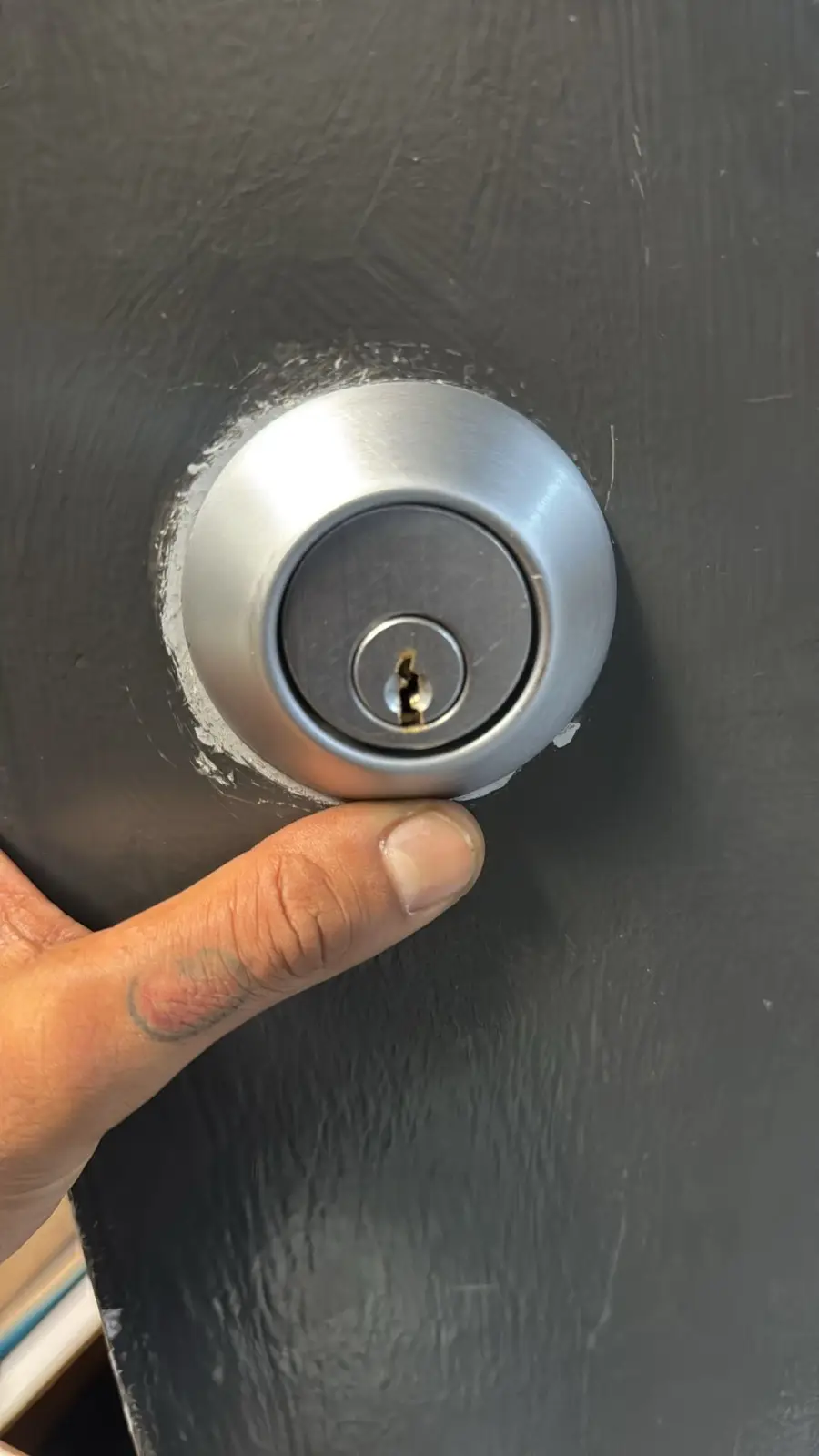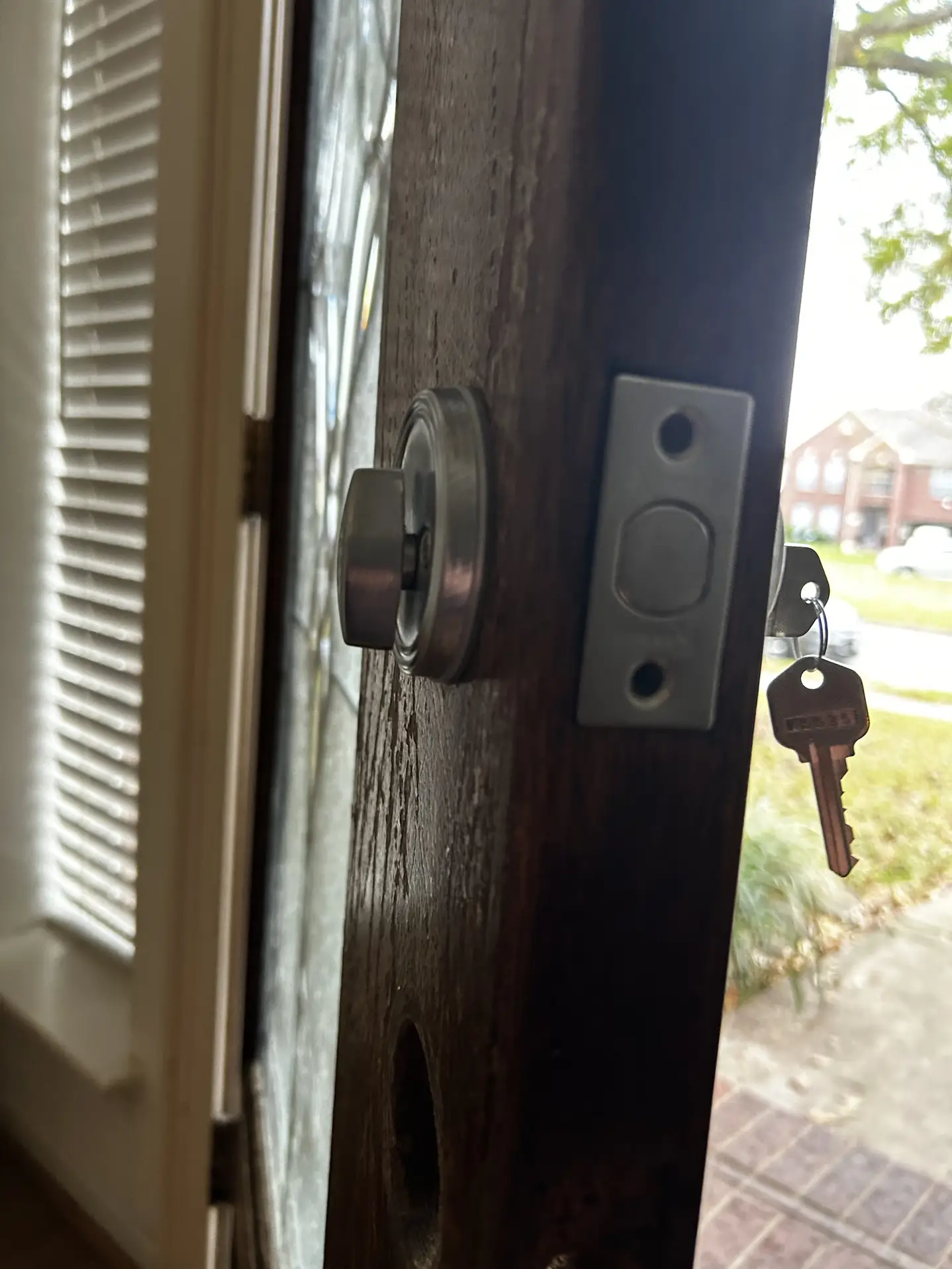
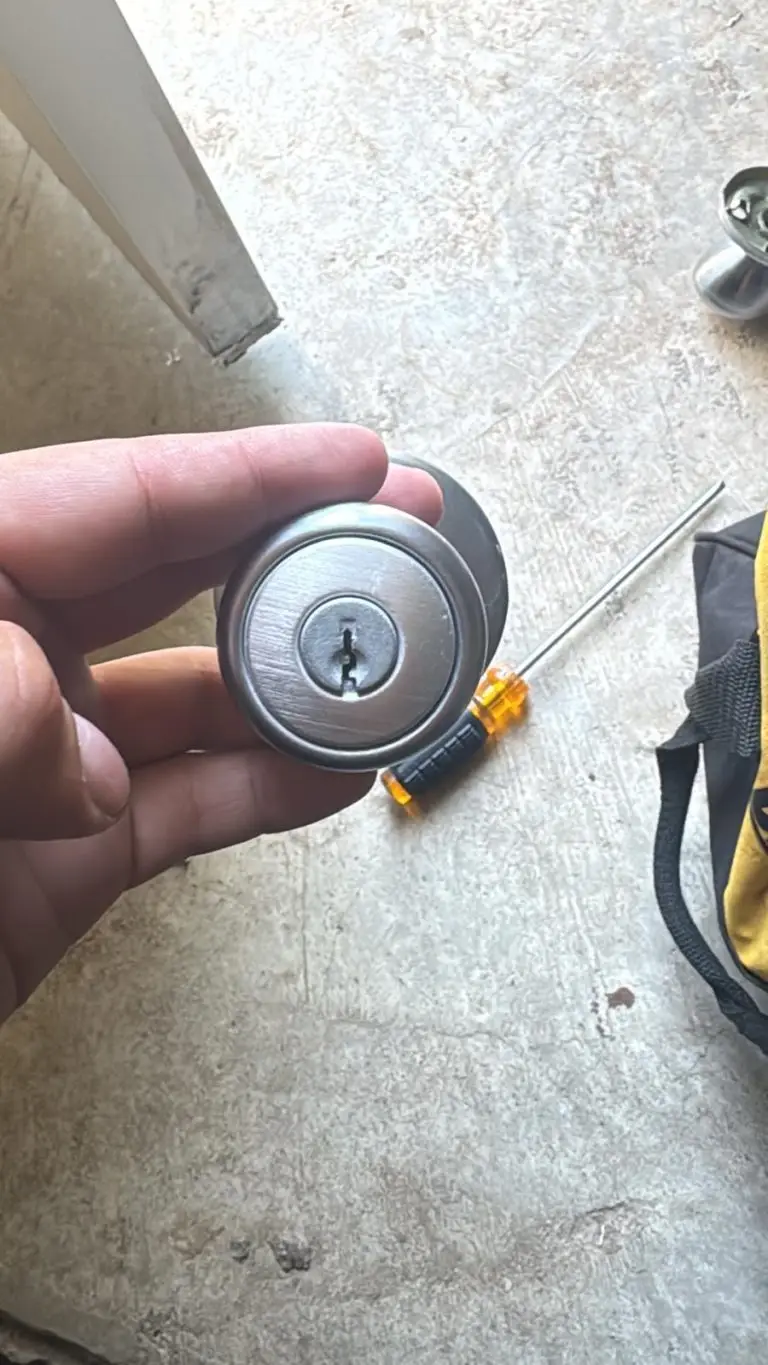
If your car key breaks in a door lock, trunk lock, or ignition, stop using it. Don’t twist the remaining piece, pull hard with tools, or push it farther in. Forcing an ignition key can damage its lock cylinder or bend and snap an older metal key, according to NAPA Know How Blog. Secure the car and arrange trained help.
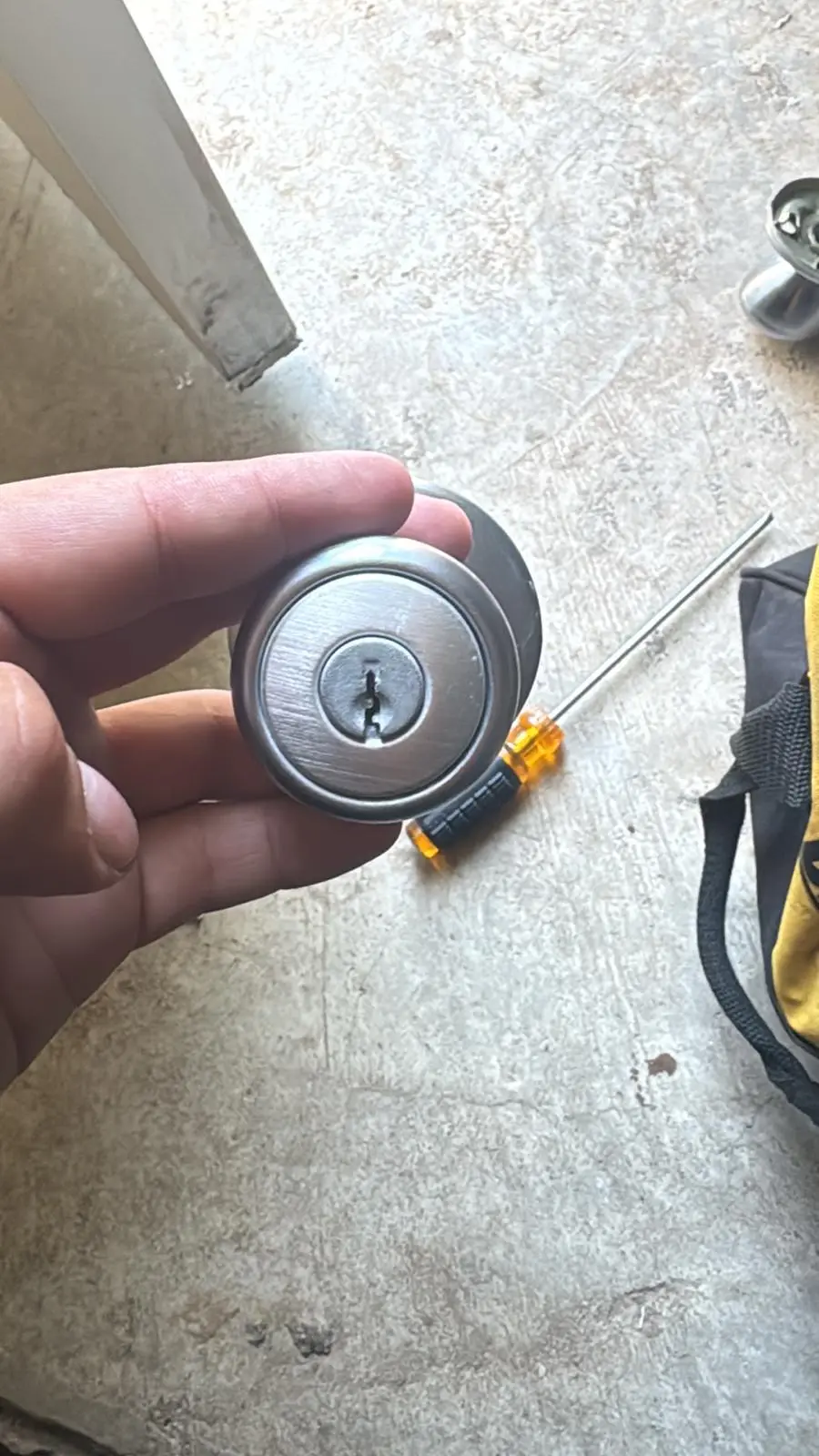
Protect the car before trying anything else
A broken key is stressful, especially when you’re parked at work, outside a store, or in an apartment garage. The next few minutes can affect whether the key piece stays easy to reach or gets pushed deeper into the lock.
- Take a clear photo of the broken key and the lock or ignition.
- Keep the key head and every loose piece. Put them somewhere safe.
- Don’t put another key into the same opening while a fragment is inside.
- Take your valuables and lock any doors that still work without forcing them.
- If the car is in an unsafe spot, focus on your safety and follow local emergency directions.
If the key broke while the engine was running, don’t try to turn the fragment back and forth. Keep clear of traffic, set the parking brake if it is safe to do so, and get help. Avoid leaving a running car unattended.
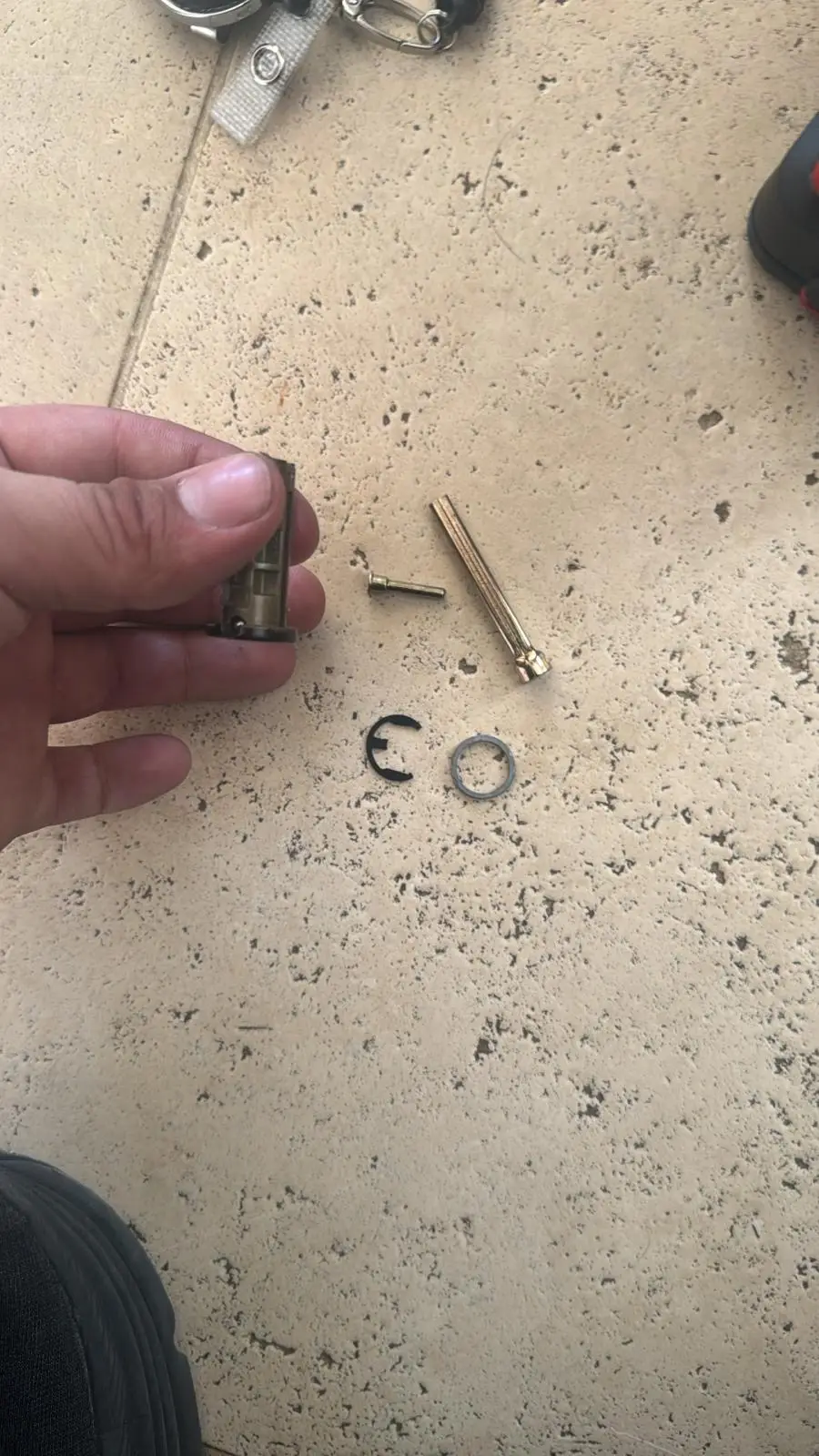
What not to do with a broken car key
The goal is simple. Leave the fragment in the best possible condition for removal. A lock or ignition has small moving pieces inside it. Force and improvised tools can damage those pieces.
Don’t twist, crank, or jiggle the fragment
A key may break because it was already bent, worn, or under pressure. Turning the piece again can wedge it farther into the cylinder. In an ignition, resistance when inserting, removing, or turning a key can also point to wear or damage inside the cylinder. Stop at the first sign that the key will not move normally.
Don’t grab at a flush piece with pliers
Pliers only help when enough of the key is outside the opening to grip without pulling sideways. If the broken edge sits level with the lock face, a plier can push it inward or scrape the cylinder. Avoid screwdrivers, wires, hooks, and other household tools. They can bend the key piece or interfere with the lock parts.
Don’t use glue, tape, or a magnet
Glue can run into the cylinder and leave residue where the key needs to move. Tape usually cannot hold a small piece under pulling force. Many keys are not made from a metal that a household magnet can pull. These attempts can turn a straightforward removal job into a larger lock problem.
Don’t force the steering wheel to make the key turn
Some cars can have pressure on the steering wheel while parked. Yet a broken key changes the situation. Pulling hard on the wheel or forcing the ignition can place more stress on the fragment and cylinder. Leave the key piece alone until a trained technician can assess it.
The key’s location changes the next step
A broken key in a door, trunk, or hatch lock usually affects access and vehicle security. A broken key in the ignition can stop you from starting, turning off, or moving the car normally. Tell the person you call exactly where the piece is stuck.
When the fragment is in a door, trunk, or hatch lock
Don’t keep testing the lock from both sides. Repeated attempts may turn a small problem into a stuck cylinder. If another door opens with your working remote or a separate key, use it only to collect needed belongings. It does not remove the fragment or repair the affected lock.
When the fragment is in the ignition
Don’t try to start the engine with a broken key piece. An ignition problem can involve the key, the cylinder, or both. The safest choice is to describe the key position when it broke. Say whether the piece is fully inserted, partly out, or turned from its normal resting position. That detail helps the provider plan the visit.
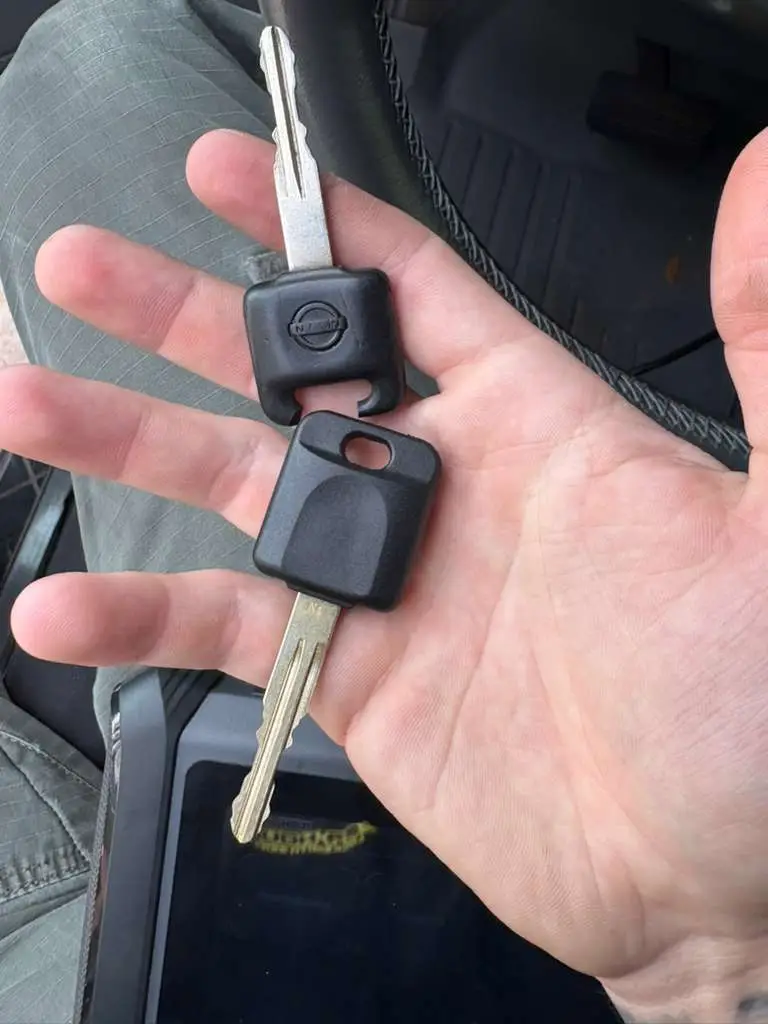
Gather the details before you call
Having the right information ready can keep the call focused. You do not need to diagnose the lock. You only need to give clear facts about the car, the key, and your location.
- Vehicle year, make, model, and color
- Whether the fragment is in the ignition, door, trunk, or hatch
- Whether you have the broken key head, a spare, or a working remote
- Your exact Houston location, including cross streets or the parking garage level
- A safe place to meet near the vehicle
- Proof that you own or are authorized to use the vehicle
Keep registration, insurance information, or other ownership documents ready. Do not leave those documents visible inside an unlocked car. If you are in a garage, include the building name, entry point, and level. A street address alone may not identify where the car is parked.
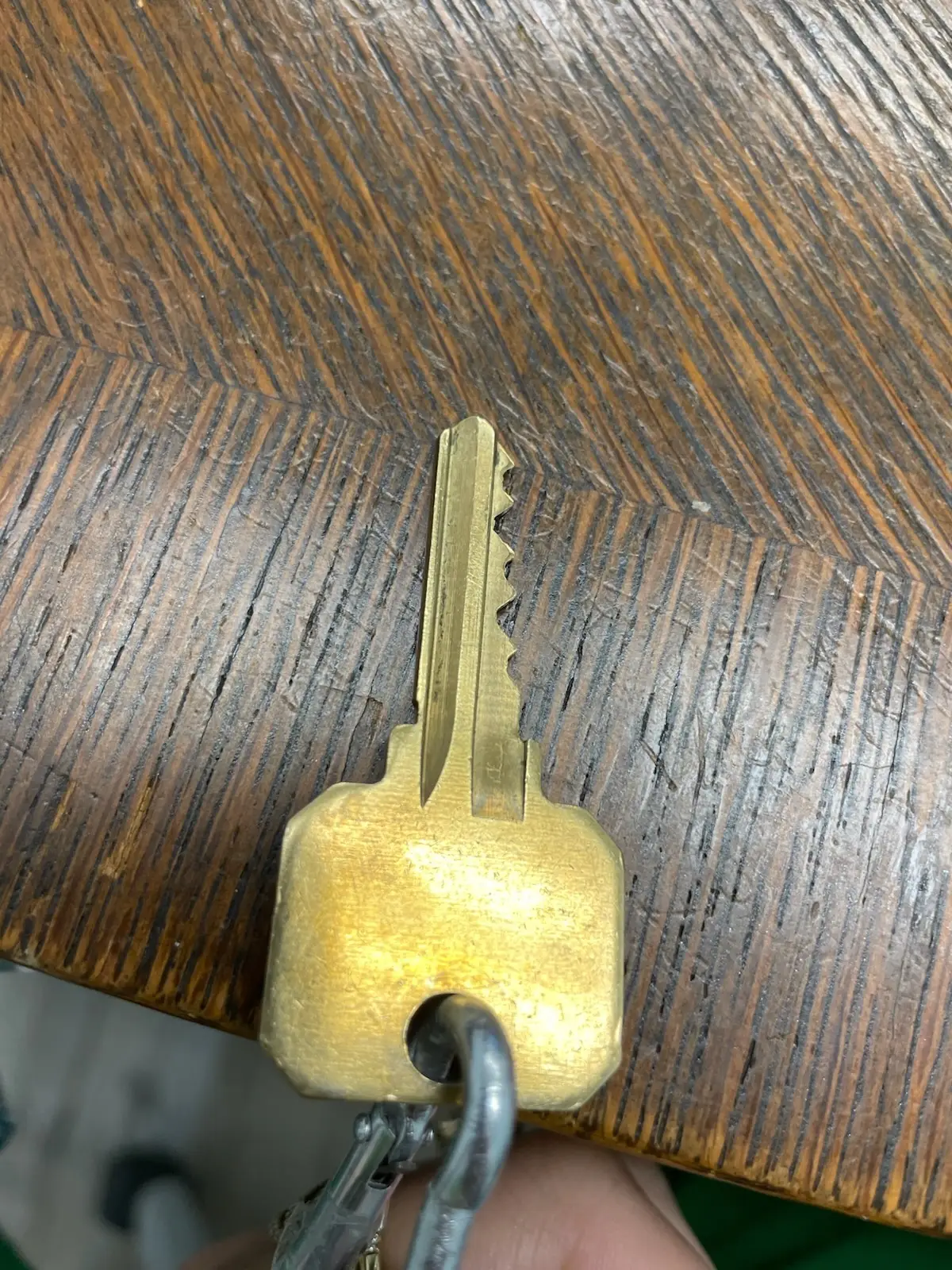
Choose help that fits the problem
A roadside plan may be worth calling if you have one. Plans differ, so ask whether your benefit includes locksmith work, what limits apply, and whether you must use a dispatched provider. Don’t assume a policy, warranty, or membership will pay for every part of the visit.
An automotive locksmith is a direct option when you need a stuck piece removed from a vehicle lock or ignition. Car key extraction from 24 Hour Locksmith Service is listed for broken keys in ignitions, doors, trunks, and hatch locks in Houston. The company also states that it provides mobile service and verifies ownership before service.
A dealer may be useful if you need vehicle-specific replacement key information after the key has been removed. Ask the provider what they can assess on site and whether the key or ignition needs further attention. Cost, timing, and the work needed depend on the vehicle, the fragment depth, and the condition of the lock.
Decide what to check after the key is removed
Removing the fragment is an important first step, but don’t assume the cause is gone. Look at the remaining key pieces with the provider. A visibly bent, thin, cracked, or worn key should not keep serving as your daily key.
Ask whether the cylinder showed signs of wear or binding. If the ignition had been hard to turn before the key broke, it may need inspection. The next step could range from a replacement key to work on the ignition. 24 Hour Locksmith Service also lists ignition repair and replacement for vehicle ignition concerns.
Before leaving, ask what key you should use next and whether your vehicle needs a programmed replacement. Keep the broken pieces until you have confirmed that your replacement key works as intended.
FAQ
Can roadside assistance cover a broken key removal?
It may, but benefits differ by provider and plan. Allstate notes that roadside programs commonly include locksmith and lockout help. Check your own plan for service limits, dispatch rules, reimbursement steps, and any amount you may still owe.
Can I use a spare key while part of the old key is stuck?
A spare key cannot enter the same lock or ignition while a fragment is still inside. It may let you access another working door on some vehicles, but it does not fix the stuck lock. Do not use a spare as a reason to keep trying the damaged cylinder.
Does a remote fob replace the broken metal key?
A remote may still lock or unlock the car if its battery and vehicle systems work, but it cannot pull out a broken metal key. Some vehicles have a mechanical key blade inside the fob for manual entry. Whether that blade can be replaced or programmed depends on the vehicle design.
For car key extraction in Houston, call 24 Hour Locksmith Service at (832) 979-7899 and share your vehicle details, key location, and exact parking spot. If a person is trapped, or there is fire or smoke, call 911 first.