If you want lock install day to go smoothly, start by checking the door, frame, alignment, backset, and strike location before anyone picks up a drill. A new lock works best when the door closes right, the latch meets the strike cleanly, and the holes match the lock you plan to use. A few simple checks now can save a lot of head scratching later. If you need help with Residential lock installation, Residential lock repair, or an Emergency locksmith, 24 Hour Locksmith Service in Houston, TX can help.

Start with the door, not the lock
A lot of people buy a new lock first and ask questions later. That is a little like buying boots before checking your shoe size. Sometimes you get lucky. Sometimes you limp.
Before a lock install, look at how the door acts on a normal day. Open it. Close it. Lock it. Unlock it. Do this slowly. Then do it again without forcing anything.
You want to know three basic things.
- Does the door swing freely
- Does it latch without pushing or pulling hard
- Does the gap around the door look even
If the door rubs the frame, sags, or pops open unless you shove it, the lock may not line up well after install. A lock is not a magic wand. It cannot fix a door that is out of line. In some cases, Residential lock rekeying or Residential lock replacement may come after the door fit is sorted out.
Check the gaps and alignment
A good fit around the door matters more than many people think. When the gaps are uneven, the latch and deadbolt can miss the strike, scrape the edge, or bind.
Stand inside and look at the space around the top and both sides of the door. The gap should look fairly even. It does not need to be perfect like a science project. It just needs to be steady.
Watch for these clues.
- The top gap is tight on the latch side but wide on the hinge side
- The latch side rubs the frame
- The door drops when you open it
- The deadbolt needs a shoulder check to lock
Those signs often point to loose hinges, worn screws, or frame shift.
Try this quick test. Close the door until it almost latches. If you need to lift the handle or pull the door toward you to make it catch, alignment is off.
In many Houston homes, wood doors and frames swell when humidity climbs. Metal doors can shift a bit with heat too. After a stretch of rain, a door that worked fine last month may act like it woke up on the wrong side of the bed. You can learn more about seasonal movement and humidity from NOAA.
Measure the backset the right way
Backset is a key lock measurement. It is the distance from the edge of the door to the center of the bore hole where the knob or lock sits.
Most common backsets are 2-3/8 inches or 2-3/4 inches.
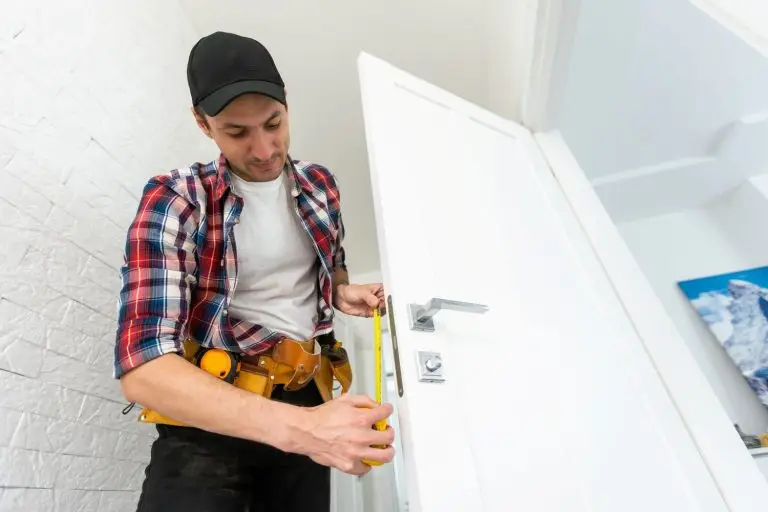
Use a tape measure and measure from the door edge straight to the center of the big round hole. Write it down. Do not trust your memory. Memory is great for birthdays, not always for hardware sizes.
If you are adding a new lock to a door that has never had one, measure twice before drilling anything. A wrong hole location can turn a simple job into a patch-and-paint event. If you need support with Residential lock installation or Contact Us for help, 24 Hour Locksmith Service is available.
Why backset matters
If the backset is wrong, the latch may sit too close to the edge or too far in. That can lead to poor fit, weak function, and an odd look on the door. It can also make the handle feel cramped if it sits too near the frame trim.
Look at the cross bore and edge bore
Most lock installs use two main holes.
- The cross bore, the big hole through the face of the door
- The edge bore, the smaller hole through the door edge for the latch
Check the size of both. Many common residential locks use a 2-1/8 inch cross bore and a 1 inch edge bore. Still, do not guess. Measure.
Also check the door thickness. Many standard doors are 1-3/8 inches or 1-3/4 inches thick. The lock must fit that thickness range.
If the lock is for a thicker entry door and your door is thinner, or the other way around, parts may not clamp down right. Basic lock terms and door hardware sizing can also be reviewed on Wikipedia.
Verify the strike location on the frame
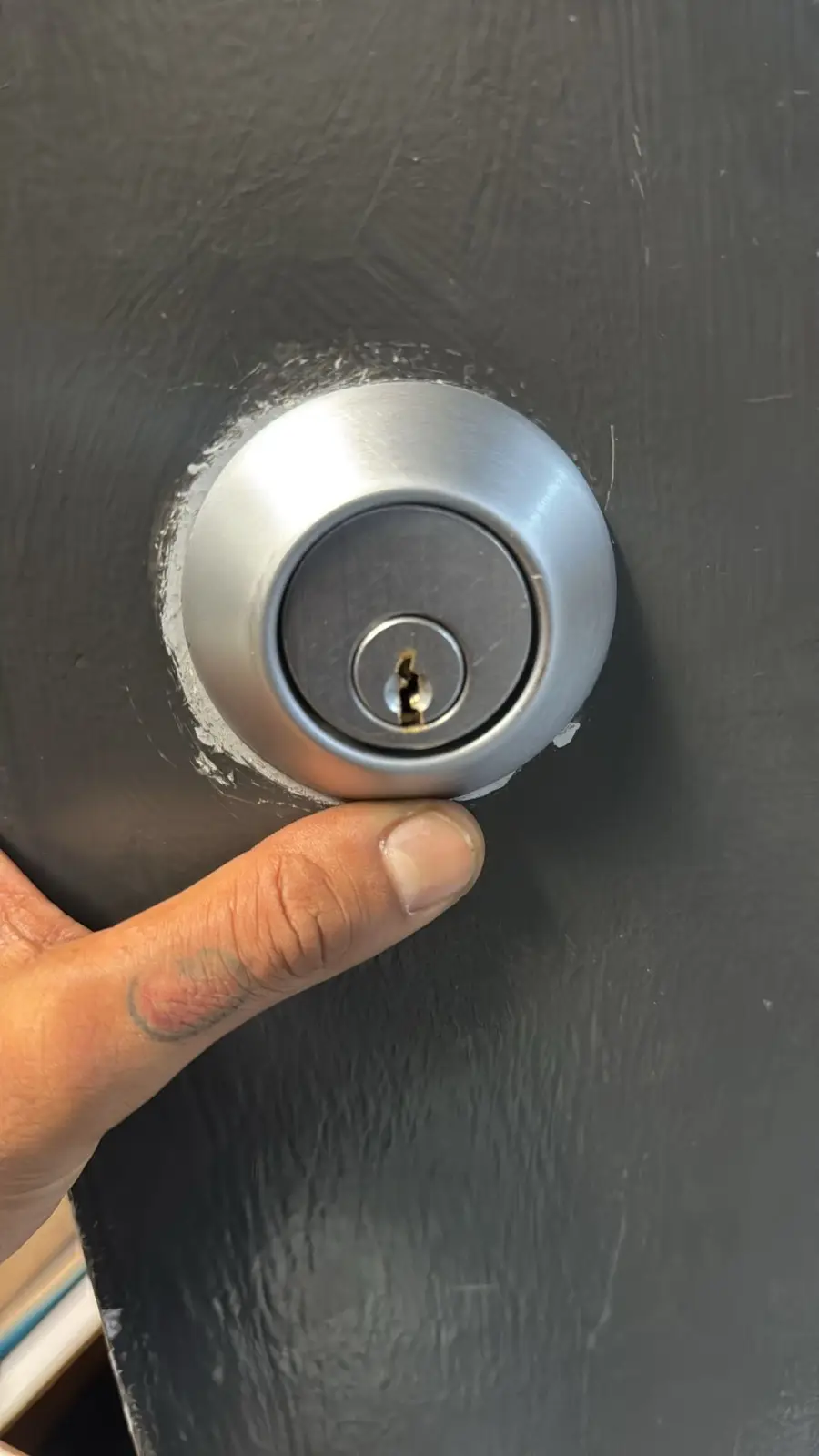
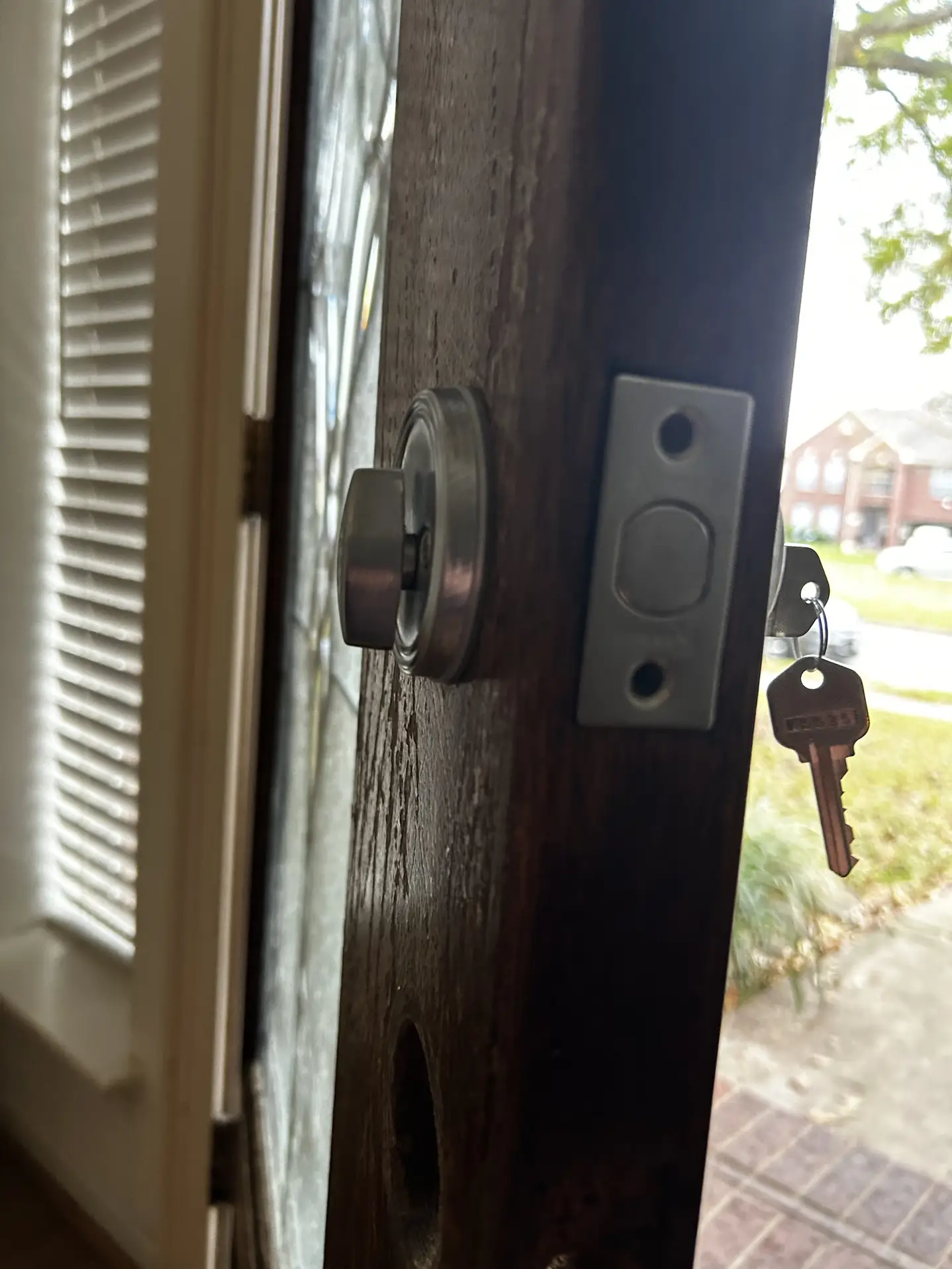
The strike plate is the metal piece on the frame where the latch or deadbolt goes in. If the strike opening is too high, too low, too shallow, or too tight, the lock may not work well no matter how nice the hardware is.
Close the door slowly and watch where the latch touches the strike. You can darken the latch with a pencil if you want to see contact marks more clearly.
Check these points.
- Does the latch hit the center of the strike opening
- Does the bolt enter without scraping hard
- Is the strike plate loose
- Is the wood behind the strike solid
If the strike plate is bent, loose, or set in the wrong spot, fix that before install day. A lock should click into place, not fight its way in.
Near older homes around The Heights, we often see paint buildup around strikes and latch holes. That can make a lock act sticky even when the hardware is fine. Around newer builds near Katy Freeway, the issue is often fast framing and slight misalignment that shows up after the house settles. Related help may include Residential lock repair or Residential lock replacement.
Check the hinges before blaming the lock
Loose or worn hinges can throw off the whole setup. If the top hinge screws are loose, the door may sag, and that small drop is enough to mess up latch and deadbolt fit.
Open the door halfway and grab the handle. Lift gently. If the door moves up and down, check the hinges.
Look for:
- Loose screws
- Stripped screw holes
- Bent hinge leaves
- Hinge pins working loose
Tighten what you can. If a screw just spins and never grabs, the hole may be worn out. That needs repair before the new lock goes on.
Make sure the door closes flat against the stop
The door stop is the thin trim piece on the frame that the door rests against when closed. If the door does not sit flat against it, the latch and bolt may line up badly.
Close the door and look from the side. Is one corner touching while another floats away? If yes, the frame may be out, the weatherstrip may be bunched up, or the slab may be warped.
This matters a lot for deadbolts. A deadbolt wants clean alignment. If the door twists when closed, the bolt can bind fast.
Weather matters more than people think
Houston weather likes to keep everyone humble. Heat can expand materials. Humidity can swell wood. Rain can make an already snug door even tighter. A cold snap, even a mild one, can shrink some parts just enough to change fit.
What we usually see in Houston, TX:
- Wood doors that stick after humid days
- Frames that shift a little in older homes
- Rust on strike screws near exterior doors
- Swollen trim that crowds the latch side
If you are checking a door during dry weather, keep in mind it may act a bit different during wet months. Prep with some breathing room when possible.
Tools that help with lock install prep
You do not need a truck full of gear. A few simple tools go a long way.
| Tool | What it helps you check |
|---|---|
| Tape measure | Backset, bore size, door thickness |
| Pencil | Mark centers and latch contact points |
| Screwdriver | Tighten hinge and strike screws |
| Small level | Spot obvious frame or door lean |
| Flashlight | See strike pocket and screw condition |
| Combination square | Mark straight lines on door edge |
Work slow. Clean marks beat rushed marks every time.
A simple prep routine before install day
Use this order and you will catch most issues early.
1. Test how the door moves
Open and close it several times. Lock and unlock the current hardware if there is any.
2. Inspect the hinges
Tighten screws. Check for sag.
3. Look at the gaps
Make sure the space around the slab is fairly even.
4. Measure the backset
Write down whether it is 2-3/8 inches or 2-3/4 inches, or another size if your door is not standard.
5. Measure the holes and door thickness
Check cross bore, edge bore, and slab thickness.
6. Test the strike fit
See where the latch lands and whether it enters cleanly.
7. Check the frame wood
Look for cracks, loose screws, and worn spots around the strike.
8. Clean the work area
Remove dirt, old paint blobs, and loose debris around the holes and strike.
If this happens, do this
- If the door sags, tighten hinge screws and check the top hinge first.
- If the latch hits above or below the strike, fix alignment before fitting the new lock.
- If the backset does not match the lock, get the right latch or lock set before install day.
- If the strike plate is loose, secure it and inspect the wood behind it.
- If the door sticks in humid weather, look for swelling points and check whether the frame is crowding the slab.
- If the deadbolt only locks when the door is pushed hard, the frame and strike need attention.
- If old holes are damaged or oversized, repair the door first so the new hardware has a solid fit.
Quick truth checks
- Myth, a new lock will fix a door that does not close right.
Fact, the door and frame must line up first. - Myth, all locks fit all doors.
Fact, backset, bore size, and door thickness must match. - Myth, if the latch sort of catches, it is fine.
Fact, a rough latch fit often gets worse with time. - Myth, only old homes have alignment issues.
Fact, newer homes can shift too, especially after weather swings.
Care plan after the install
A little upkeep keeps the lock working without drama.
Weekly
- Open and close the door a few times and notice any new rubbing
- Keep the threshold and latch area free of dirt
Monthly
- Check hinge screws and strike screws
- Wipe the lock and door edge clean
- Watch for changes after heavy rain or humid weeks
Yearly
- Inspect the frame for cracks or soft wood
- Check that the deadbolt enters the strike cleanly
- Replace rusty screws on exterior hardware if needed
Do not soak the lock with random spray grease. Too much can attract grime. Use only lock-safe products if the maker calls for it.
Common prep mistakes that slow down install day
People mean well. Then the tape measure comes out backward and the fun begins.
Here are a few mistakes that cause delays.
Guessing the backset
Eyeballing it can go wrong fast. Measure and write it down.
Ignoring hinge sag
If the door drops even a little, lock fit can suffer.
Keeping a bad strike plate
Old, bent, or loose strikes cause poor latch action.
Forgetting the door thickness
A lock that does not match the slab thickness may not mount right.
Drilling before testing close and latch
Always check fit first. Once a wrong hole is made, you cannot un-drill it with good wishes.
Safety notes worth keeping in mind
Use eye protection if you drill or chisel. Keep fingers away from the latch edge when testing the door. If the frame is cracked or the door is heavy and shifting, get help before forcing anything. Better a short pause than a mashed thumb.
FAQs
How do I know if my door is ready for a new lock?
If it opens and closes smoothly, the gaps look even, the latch meets the strike cleanly, and the backset matches the new lock, you are in good shape.
What is backset on a door lock?
Backset is the distance from the edge of the door to the center of the main hole for the lock. Common sizes are 2-3/8 inches and 2-3/4 inches.
Can I install a new lock if my door is sticking?
You can, but the sticking issue should be fixed first. If not, the new lock may bind or wear out faster.
Why does my deadbolt only lock when I push the door?
That usually means the door and frame are out of line, or the strike plate is not in the right spot.
Does Houston weather affect door lock fit?
Yes. Heat, rain, and humidity can swell wood, shift fit, and make latches or bolts rub more than usual.
Should I replace the strike plate when I change the lock?
Often, yes. The new strike should match the new latch or bolt and fit the frame opening well.
What if my old lock holes do not match the new lock?
Check the bore size, backset, and door thickness first. If the old holes are worn or off-size, the door may need repair before the new lock goes on.
Can loose hinges really affect a lock?
Yes. Loose hinges can make the door sag, and even a small sag can throw off latch and deadbolt alignment.
If you want help getting your door and frame ready for a smooth lock install, 24 Hour Locksmith Service can handle the job in Houston, TX. We can check alignment, measure backset, inspect the strike, and install the right lock so it works the way it should. Call (832) 979-7899, visit https://24hourlocksmith.day, or Contact Us. You can also explore Residential locksmith services and Emergency locksmith support.