
Picking between a deadbolt, a mortise lock, or an electronic lock
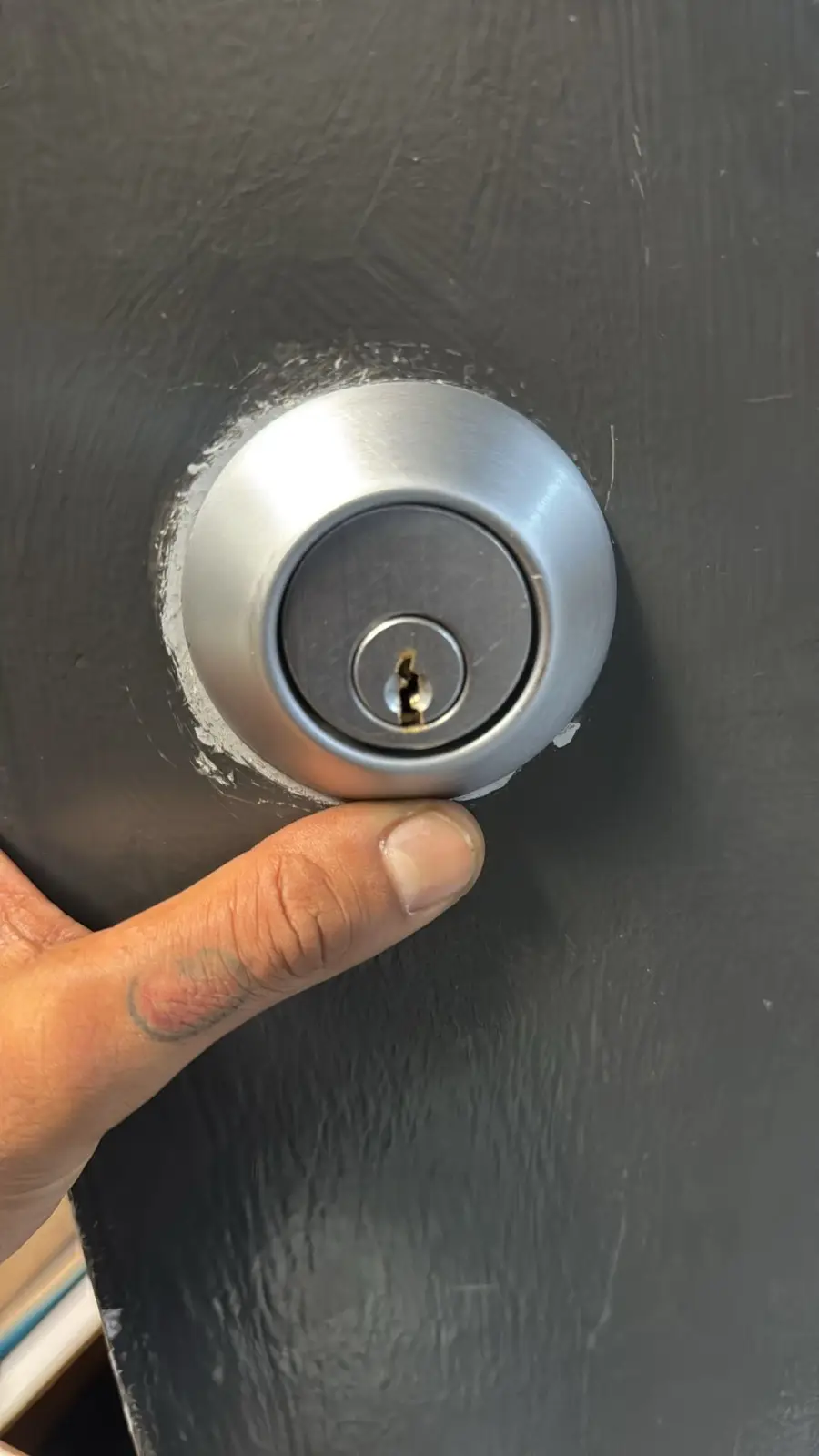
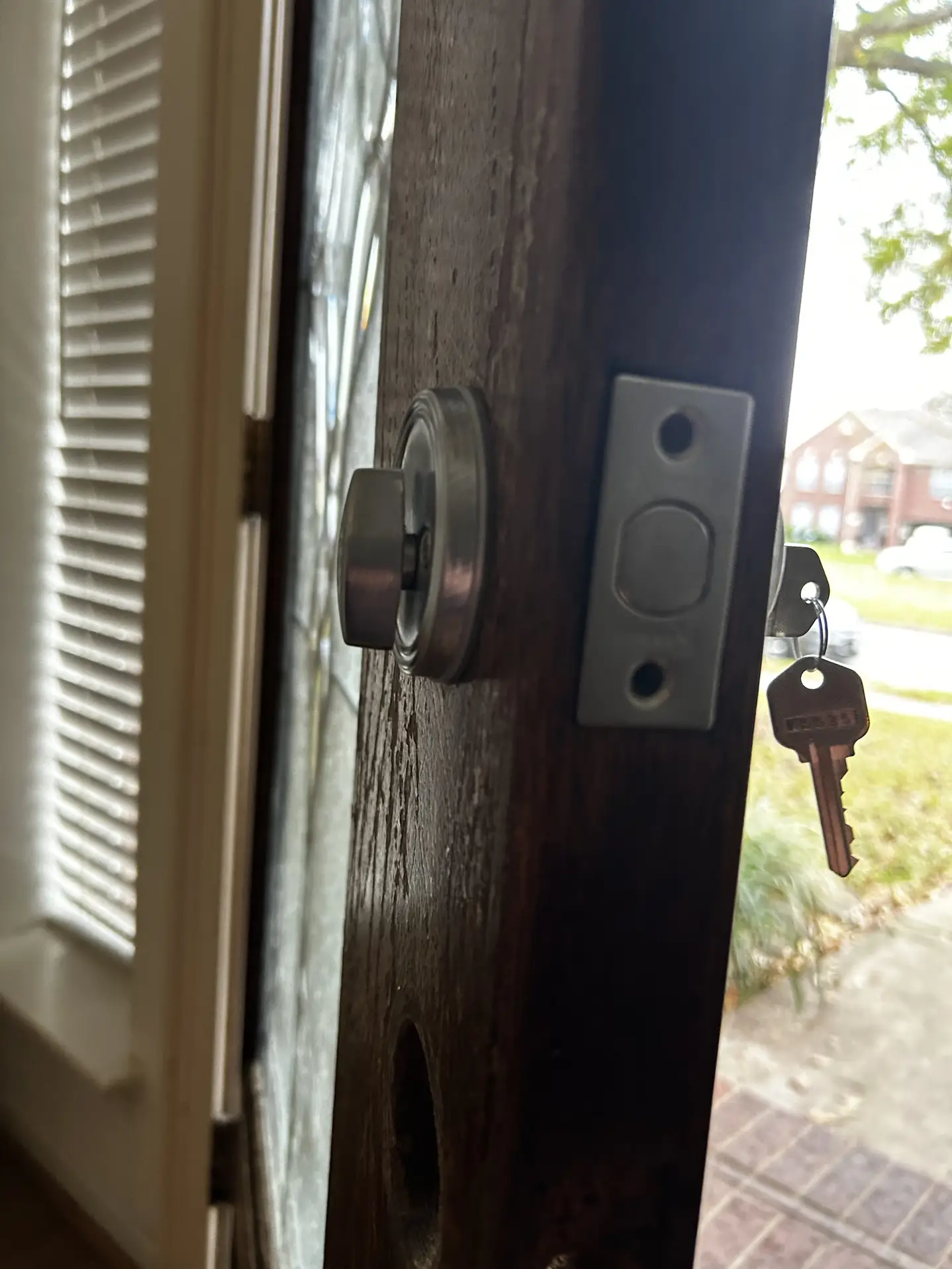
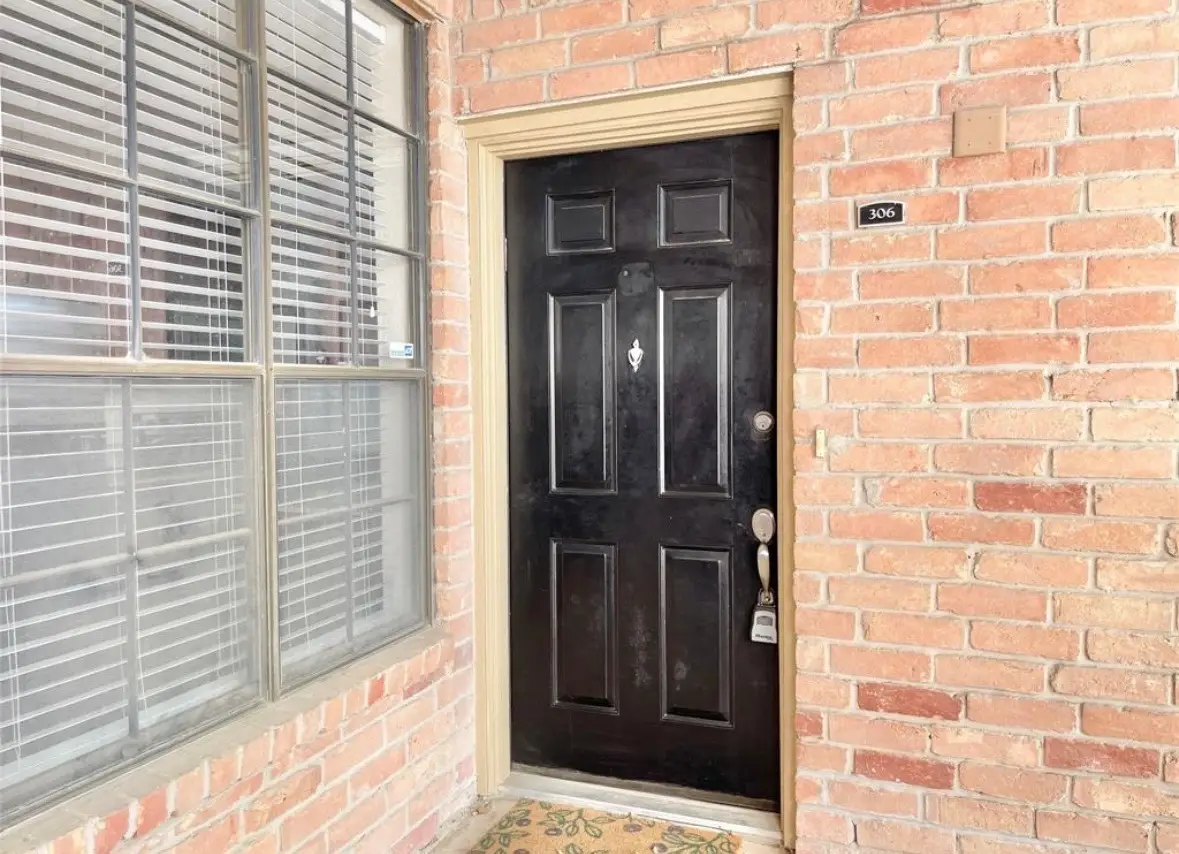
Picking between a deadbolt, a mortise lock, or an electronic lock comes down to your door type, daily traffic, and risk. Wood home doors pair well with strong deadbolts and solid strikes. Heavy metal or glass storefront doors shine with mortise sets. Busy homes and rentals run smooth with keypads. If the frame is not reinforced, fix that first.
The quick match guide you can use today
- Front door on a house with a wood frame, go with a grade 1 deadbolt plus a reinforced strike and long screws
- Metal or glass commercial door, pick a mortise lockset with a high security cylinder
- Short term rental or busy family, keypad deadbolt or smart lock with auto lock on a solid door and frame
- Back door with glass near the thumbturn, use a double cylinder deadbolt only if code allows, or add security film and a lock guard
- Side garage door with metal skin, use a heavy deadbolt that throws at least one inch and a wraparound plate if needed
- Interior office with sensitive gear, mortise case or electronic access with audit trail

Know your door before you pick the lock
Your door is the stage. The lock is the lead actor. A strong actor on a wobbly stage will still fall through the floor. So check these simple points.
- Material. Wood likes deadbolts. Hollow metal doors and aluminum storefront doors often need mortise bodies. Glass doors may need a special lock rail or an Adams Rite style latch with a deadbolt function.
- Thickness. Most locks fit a standard thickness. Odd doors need special kits. Measure before you shop.
- Backset. This is the distance from the edge to the center of the handle hole. Common spots are 2 3/8 inch and 2 3/4 inch. Mortise cases have fixed spots. Get it right or the lock will not sit well.
- Hinge side. Loose hinges make a strong lock feel weak. If the door sags, fix hinges first.
- Frame. An unreinforced frame can split quickly. Reinforce the strike zone and use long screws into the stud or steel tube.
Deadbolts that pull their weight
A deadbolt is simple, tough, and proven. It throws a solid bolt into the frame. Pick the right grade and parts, and it holds up like a champ.
What to pick
- Grade 1 if you can. It means higher test strength and longer life
- One inch bolt throw or more. Short throws do not bite the frame well
- Reinforced strike plate with long screws, at least three inches into the stud
- Solid metal body and a good cylinder from a known brand
Single vs double cylinder
- Single cylinder has a key on the outside and a thumbturn inside. It is the most common for homes
- Double cylinder has a key on both sides. It can slow a break in if there is glass near the lock. Fire rules may not allow it on doors used to exit. Check local rules before you pick this
Best spots for deadbolts
- Home front and back doors
- Side garage doors
- Storage rooms that do not need panic bars
Pros
- Simple to use and strong
- No batteries to fail
- Easy to rekey when a key goes missing
Watch outs
- An underbuilt frame reduces the benefit
- Lower-quality locks often have loose-tolerance bolts and softer screws
- Thumbturns near glass increase risk if the glass gets broken
Mortise locks for tough doors and busy spots
A mortise lock is a heavy metal case set in a pocket cut into the door. It has a latch and a deadbolt inside one unit. It is the workhorse for many shops and apartment doors. It looks sleek but hits above its weight.
Why pick a mortise
- Built for high traffic and hard knocks
- Parts can be serviced, not just tossed
- Many trim styles for stores and offices
- Supports higher grade cylinders and key control
Best spots for mortise
- Metal or glass storefront doors on Westheimer
- Older wood doors with thick rails in The Heights
- Apartment or condo doors that see lots of key turns each day
- Offices with daily crowd flow
Pros
- Strong case and long life
- Better control of who can copy keys with restricted cylinders
- Works with push paddles, levers, and many access kits
Watch outs
- Needs a proper pocket cut. A bad cut weakens the door
- Costs more than a basic deadbolt, though the life cycle can be longer
- Needs a trained hand to install
Electronic and smart locks when keys drive you nuts
Keys get lost. Pads and phones are easy. That is why many homes and rentals pick electronic locks. They let you add and remove codes fast. Some link to Wi-Fi or Bluetooth. Some use fobs or cards. Many have auto lock and alerts.
Types of electronic locks
- Keypad deadbolts. The classic. Punch a code and turn the bolt
- Smart deadbolts. Pair with an app for remote lock, alerts, and codes
- Lever sets with keypads. Good for interior suites or side doors
- Card or fob readers. Nice for small offices or shared spaces
Best spots for electronic
- Short term rentals with guests
- Busy families with teens who forget keys
- Small offices that need logs of who went in
- Gates or side entries where a key is a pain
Pros
- No key hand off, just share a code
- Lock and unlock from your phone if set up
- Easy to change codes when staff or guests change
Watch outs
- Heat can accelerate battery drain
- Wi-Fi modules can be unreliable if the door is misaligned
- Lower-quality models can malfunction or strip gears
- Still needs a solid frame, or else the bolt drags and can overwork the motor
Traffic and risk check made simple
Take a fast look at your space. Use plain clues.
- How many people use the door each day
- Is the door seen by neighbors or hidden
- Is there glass within arm reach of the lock
- Do you need records of who enters
- Would a failed battery lock you out or in
Simple matches
- Low traffic and high need for strength, deadbolt with a reinforced strike
- Medium traffic and mix of strength and service, mortise set
- High traffic with code needs, electronic access with scheduled codes
- Glass nearby, boost frame, consider security film, maybe double cylinder if allowed by rules
What we usually see in Houston, TX
- Many wood home doors with small strike plates and short screws. Upgrades to longer screws and a heavy strike make a night and day change
- Storefront doors with worn latches that slip. A fresh mortise case and a proper strike stop the jiggle
Houston heat, storms, and your lock
Our heat and humidity swell wood. That can make a bolt drag. Rain can rust cheap parts. Summer sun cooks batteries inside keypads. Short list to beat the weather.
- Use weather resistant finishes on coastal side homes
- Lube the bolt and latch with a dry lube, not grease
- Keep door paint fresh to seal wood
- Add a drip cap above doors that get soaked
- Expect faster battery swaps in summer and before storm season
Reinforce the weak spots first
A lock is as strong as what it grabs.
- Strike plate. Use a high duty plate with four long screws into the stud or steel frame
- Door edge. Add a wrap plate if the lock area is cracked
- Hinge side. Use long hinge screws into the stud. Add hinge bolts on out swing doors
- Glass. Add security film next to locks. It holds glass together and slows a reach in
- Door gap. Set the gap even top to bottom. A tight bolt needs an even gap
Key control and who gets copies
If keys get copied like free candy, your security slides. You can stop that.
- Use restricted keyways. Only approved shops cut those keys
- Keep a simple key log. Who has what key
- Rechek keys after staff change
- Rekey when a key is lost or not returned
- Use keypad codes for short term users so you can delete them fast
Real world matchups you can steal
- Brick home with wood door and kids who lose keys. Grade 1 keypad deadbolt, auto lock set to three minutes, reinforced strike, long screws, spare key in a lockbox
- Small shop on a busy strip. Mortise lock with a clutch lever, restricted keyway, and a guard plate over the cylinder
- Warehouse side door that looks lonely. Heavy deadbolt, wrap plate, hinge bolts, brighter light, and a camera view
- Condo with glass near the lock. Single cylinder deadbolt with a shrouded thumbturn, security film, and a longer throw
A tiny story from a hot July
A dad in The Heights called and said, my keypad stops working every summer. We checked the door. The bolt dragged from a swollen frame. The motor was being overworked. We adjusted hinges, filed the strike a hair, and added a dry lube. The same lock ran fine through August. Sometimes the fix is the stage, not the star.
How to pick the right cylinder
The cylinder is where the key goes. It is the brain of the lock.
- Pick a known brand with pick and drill guards
- Ask for a restricted keyway if you want copy control
- Make sure the cylinder fits your deadbolt or mortise case
- For smart locks, keep the backup key cylinder in good shape
Handles, levers, and panic bars
Locks are part of a door set. Think about the rest of the gear.
- Out swing doors in public spots often need panic bars by code
- Grade your lever to match the door load
- Use clutch levers in public areas so folks cannot force the handle when locked
- Check ADA rules for handle shape and height in shops
Little choices that pay off big
- Use a box strike with extra steel on wood frames
- Swap short hinge screws for long ones that bite the stud
- Add a door viewer or a small camera
- Set auto lock timers on smart deadbolts
- Use a metal plate to cover old weak holes before new lock install
Quick fixes when things go sideways
- If the key is hard to turn, then lube the keyway with a dry lock lube and try a spare key to rule out a worn key
- If the bolt drags, then tighten hinges and adjust the strike so the bolt does not scrape
- If the door bounces open, then check the latch strike and bend the tab in a bit for a snug catch
- If the keypad drains batteries quickly, then check door alignment and lighten the bolt travel before blaming the lock
- If a mortise handle sags, then tighten the through bolts and check the spring in the trim
- If a deadbolt will not throw fully, then open the door and test. If it works open, your frame is off
- If the lock feels gritty, then clean the key and blow out the keyway. Never use oil
- If the key will not come out, then make sure the plug is back to the top mark before pulling
- If a smart lock will not connect, then move the hub closer or add a repeater, and check fresh batteries
- If a double cylinder is slow in a rush, then rethink that pick for an exit door and review safer options
Myths and facts you can trust
- Myth. All smart locks are weak — Fact. Good smart locks have strong bolts and metal bodies. Often the limiting factor is door alignment or a dying battery
- Myth. A low-cost deadbolt is fine if no one sees the door — Fact. Hidden doors benefit from stronger gear since someone can work on them longer
- Myth. Mortise locks are only for fancy buildings — Fact. Mortise sets live on shops and apartments because they last and take more use
- Myth. Longer keys mean better security — Fact. The key length does not tell you much. The cylinder type and key control do
Care schedule that keeps you ahead
Weekly
- Wipe keypad and handle with a soft cloth
- Check that auto lock still works on smart models
- Make sure the door closes smooth with no rub
Monthly
- Tighten loose screws on strikes, hinges, and trim
- Test every key that should work
- Lube the latch and bolt with a dry lube
- Check batteries on electronic locks and swap early if low
Yearly
- Check weather strip and replace if torn
- Inspect frame screws. Upgrade short ones
- Review who has keys and codes. Remove old access
- For shops, test panic devices and self closers
Picking finishes that fight Houston weather
Houston throws heat, rain, and salty air from time to time. Finishes matter.
- Satin chrome and stainless hold up better outdoors
- Oil rubbed bronze can patina fast in humid spots
- Brass looks nice, but cheaper brass pits and spots
- Clean with mild soap and water. Skip harsh cleaners
When you need more than a lock
Sometimes the risk calls for a package.
- Add a door viewer or smart doorbell for front doors
- Place brighter light over side doors
- Use a simple alarm chime so you hear doors open
- For shops, set scheduled codes and get entry logs
- Add security film to glass near locks
How to avoid code and safety headaches
Rules vary by place and building use. A few plain tips help you stay safe and smooth.
- Do not block exits with double cylinder locks where people need to get out fast
- If a door is an exit for a public area, a panic bar may be needed
- Keep clear access to locks. No clutter that slows you down
- In rentals, refresh codes between guests and keep a record
Signs you should upgrade now
- Keys turn rough or the bolt sticks day after day
- You had a lost key with no spare plan
- The strike plate is tiny or loose
- The door has a big hole from old locks and looks chewed up
- You want logs or easy code control for staff or guests
Answers for common door types
Wood slab front door
- Grade 1 deadbolt, reinforced strike, long screws, and a peephole or camera. Smart keypad if you want code use
Hollow metal rear door
- Heavy deadbolt or mortise, wrap plate if the edge is bent, hinge bolts, bright light
Aluminum glass storefront
- Mortise case with a proper hook or deadbolt, good cylinder, and a lock guard to cover weak spots
Townhome with shared entry
- Mortise or heavy deadbolt, restricted keyway for key control, and clear rules on keys
Short term rental
- Smart deadbolt with codes per guest, auto lock, reinforced strike, lockbox for backup key
FAQs
Q. What is stronger, a deadbolt or a mortise lock
A. Both can be strong. On wood home doors, a grade 1 deadbolt with a reinforced strike is great. On metal or glass doors, a mortise set fits better and handles more use
Q. Are electronic locks safe for Houston heat
A. Yes if you pick a good model and keep the door aligned. Expect faster battery swaps in summer. Use fresh, name brand batteries
Q. Do I need a double cylinder deadbolt
A. Only if there is glass near the lock and local rules allow it on that door. Many homes solve this by using security film and a guard plate instead
Q. How do I stop key copies
A. Use a restricted keyway and a shop that controls those keys. Keep a small list of who has each key
Q. My deadbolt is hard to turn. Do I need a new lock
A. Maybe not. First adjust hinges and the strike so the bolt lines up. Lube with a dry lube. If it still drags, then the lock may be worn
Q. What lock is best for a rental property
A. A keypad deadbolt or smart deadbolt. You can make and delete codes fast. Turn on auto lock. Keep a backup key in a lockbox
Q. Will a longer screw really help
A. Yes. Long screws grab the stud behind the frame. That spreads the force and keeps the strike from ripping out
Q. Can I use one key for all doors
A. Yes when the locks use the same key system. A locksmith can rekey them to match if they are compatible
Q. How often should I change codes
A. For homes, a couple times a year and after any guest or contractor. For rentals or shops, after each user or on a set schedule
Wrap up with a simple plan you can act on
- Check your door type, frame strength, and daily traffic
- Pick deadbolt for wood home doors, mortise for metal or glass doors, electronic for code control
- Reinforce strikes, hinges, and edges
- Set a care plan and stick with it
- Call a pro if the door needs cuts or special gear
Ready to match the right lock to your door without guesswork
24 Hour Locksmith Service helps Houston neighbors pick and install the right deadbolt, mortise set, or smart lock for homes and shops. We fix frames, align doors, set up codes, and deliver clean, working hardware that fits your life. Call us at <tel:+18329797899>(832) 979-7899</tel:+1> or visit https://24hourlocksmith.day and get friendly help today.