
Locked out and stuck on the porch or next to your truck at the worst time. Try these fast checks first. Many lockouts come from a simple glitch like a weak battery, a sticky latch, or a door under pressure. Run through the steps below. You might be back inside in minutes without calling anyone.
Why your lockout might be an easy fix
Getting locked out feels like your door is playing a prank. Good news, most lockouts have simple causes. Keys wear down. Doors swell in humid Houston air. Car fobs get weak after a long summer. A latch can stick. A keypad might be on timeout. With a calm head and a short checklist, you can solve a lot of these yourself.

First things first take a breath
- Pause for sixty seconds. That clears the head.
- Pat down pockets and bag. Front pocket, jacket pocket, backpack top pouch, and that sneaky zip pocket.
- Ask yourself who has a spare. Partner, neighbor, office mate, front desk, or property manager.
- Walk the house or car once. Try every door and hatch. Many wins happen right here.
Fast house and apartment checks
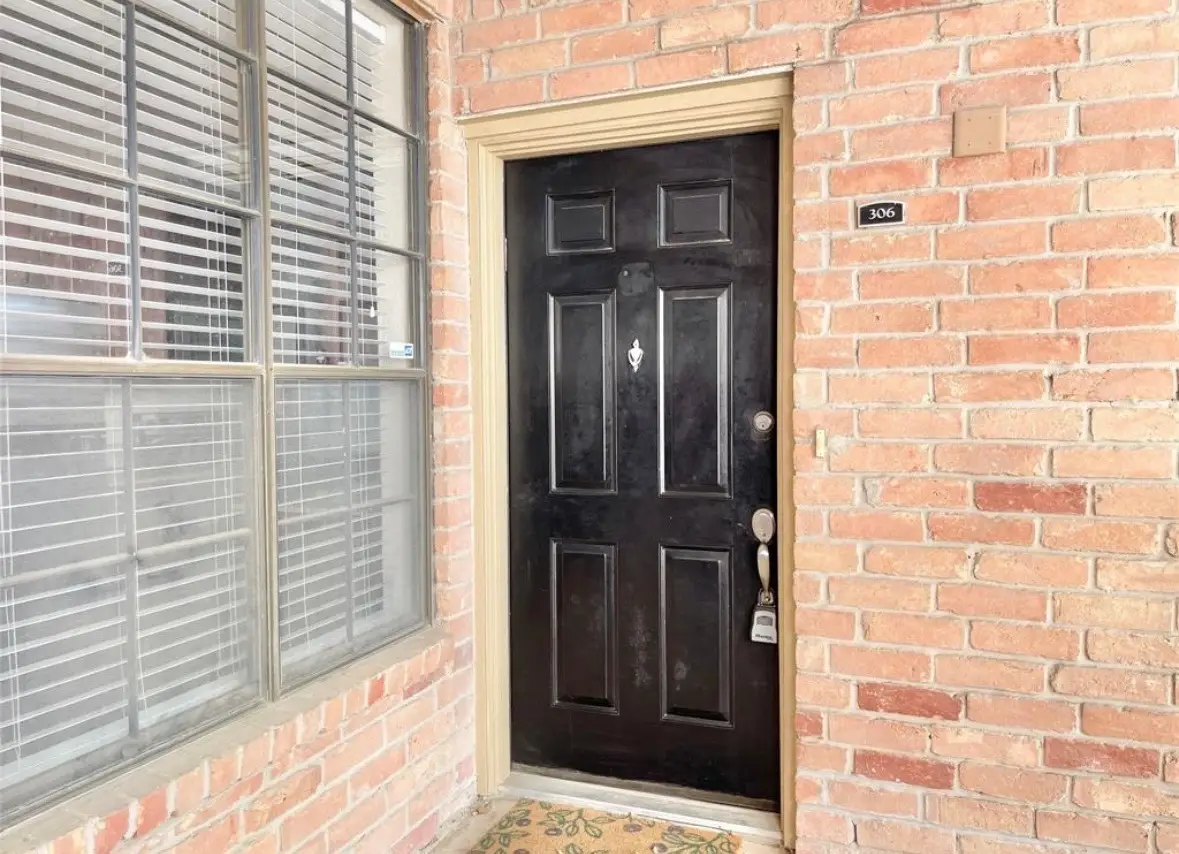
- Try lifting or pushing the door as you turn the key. Doors bind when the frame is tight.
- Turn the key both ways. Some locks need a small turn the other way first.
- Try the garage, laundry door, or backyard slider. Many folks forget that one more entry exists.
- If your key is dirty or gummy, rub the blade with a soft pencil. Graphite can help the pins move.
- If you have dry lube, mist a tiny bit on the key and try again. Avoid heavy oil. It grabs dust.
- Check the hinge screws. If loose, lift the door a bit while turning the key. That takes pressure off the latch.
- If you have a keypad, change the batteries and try again. Weak batteries cause false lockouts.
Quick car checks before you call a tow or locksmith
- Press the fob right against the driver door handle. Weak fobs still send a short-range signal.
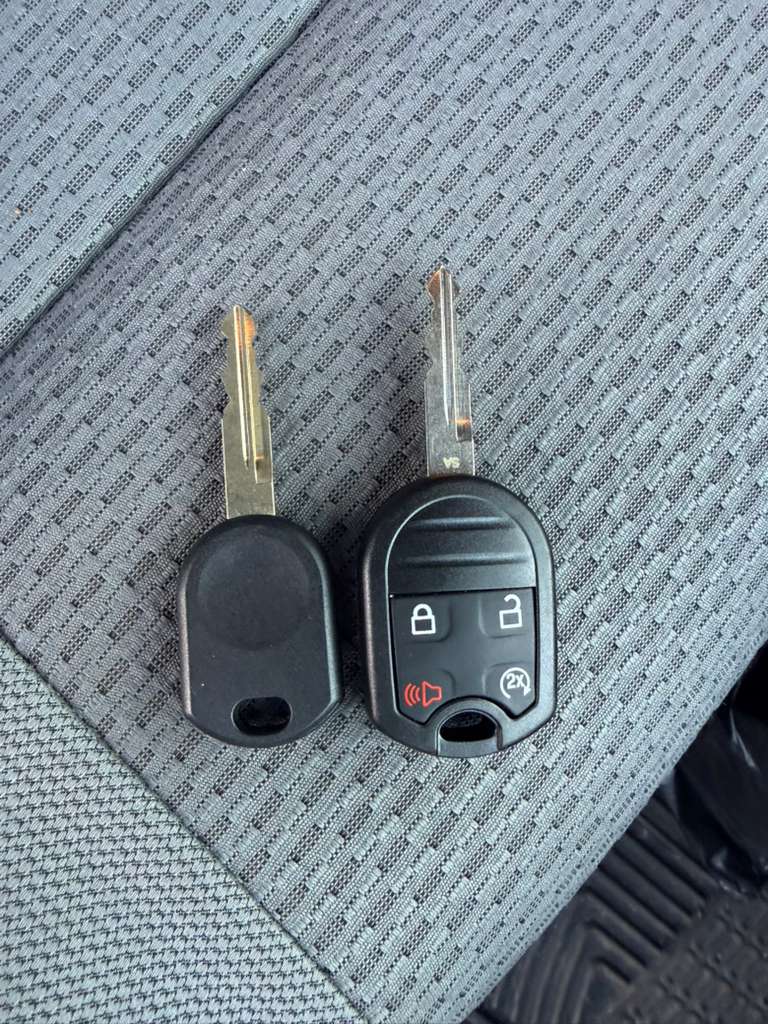
- Use the hidden key inside the fob. Most fobs have a small metal key you can pull out.
- Turn the steering wheel a little as you turn the key. A locked wheel can hold the cylinder tight.
- Try all doors and the hatch. Some cars unlock one door and leave the rest locked.
- If the trunk opens, some sedans have a flip-down seat. You might pull the seat release and crawl in safely.
- Clean the key blade with a cloth. Lint and grit can block the wafers inside the lock.
What Houston weather does to locks
Houston heat dries out old lube inside locks. That makes pins stick. Humidity swells wood doors, so deadbolts rub and jam. Sudden rain brings grit into car locks. A winter cold snap makes metal shrink a little, so an already tight deadbolt gets even harder to turn.
Fast tip for summer
Keep a small tube of dry lube in a drawer. A tiny puff keeps pins sliding without turning the cylinder into a dust magnet.
What we usually see in Houston TX
- Swollen wood doors after a Gulf Coast downpour, often in The Heights and older bungalows.
- Dust and grit from job sites along I-10 and I-45 finding a home inside cylinders.
- Fob batteries that quit after long hot parking lot days near Galleria garages.
- Stripped screws on strike plates in older townhomes, so the deadbolt misses the hole.
Quick checks that fix most lockouts
- If the deadbolt hits the frame, then lift the door handle and turn the key at the same time.
- If the key turns a little then stops, then pull the door toward you while turning.
- If the key will not go in all the way, then shine a light in the keyway and check for debris, then tap the edge of the key lightly to dislodge lint and try again.
- If a keypad will not accept your code, then swap batteries, wait sixty seconds, then try slow and steady presses.
- If the fob does not unlock, then hold the fob by the start button or the handle and press again.
- If the car key turns but does not start, then check the steering wheel lock, turn the wheel a little, and try again.
- If the thumbturn spins but the bolt does not move, then the set screw may be loose, then try the key from the outside while wiggling the thumbturn.
- If the knob turns but the latch will not retract, then push the door in hard and turn again to relieve pressure.
- If the key worked yesterday and now sticks, then mist a tiny bit of dry lube, insert and remove the key a few times, then try again.
- If the strike plate is loose, then tighten the screws and try the key again.
- If your smart lock app shows offline, then switch to Bluetooth mode or use the backup key.
- If a sliding door seems stuck, then check the top latch and the floor track for pebbles, then clear and try again.
- If a storm just hit and the door swelled, then wait a few minutes in shade or cool the edge with a damp cloth, then try again.
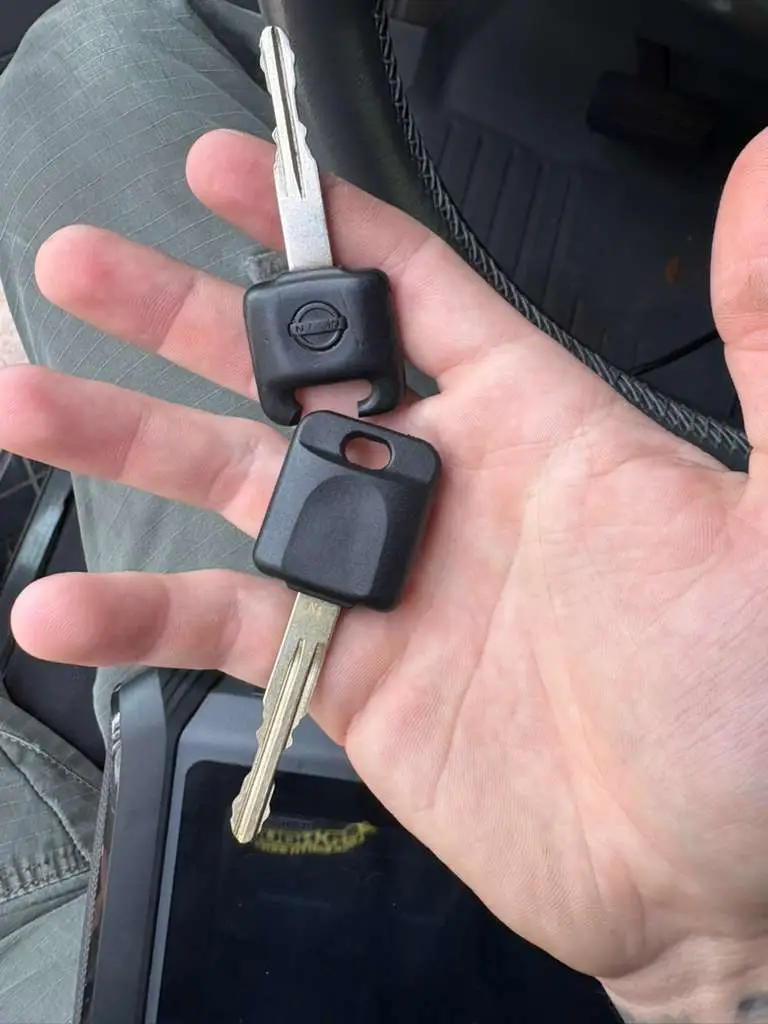
- If the key is bent, then do not force it, then use your spare to avoid a snapped key.
- If you just moved and the lock is stiff, then check for a leftover pin or construction dust, then clean the keyway with compressed air if you have it.
Light safety notes
Do not force a key. Keys snap when twisted hard. Avoid spraying heavy oil. It traps dirt. When kids or pets are inside, call for help fast. You can also call 911 if someone is at risk. Your safety matters more than a lock.
Tiny myth busters that save time
Myths and facts that trip people up
- Myth, WD 40 always fixes a lock. Fact, it may help short term, but it grabs dust and can gum up the pins. Dry lube is better for most cylinders.
- Myth, a credit card opens most doors. Fact, it only works on spring latches and only if the door and frame have a gap. Many homes use deadbolts that cards cannot bypass.
- Myth, a Slim Jim works on any car. Fact, many modern cars have side airbags and shielded linkages. Wrong tools can cause damage in seconds.
- Myth, kicking the door is smart. Fact, you usually break the frame and the lock. Then you also have a repair on your hands.
Smart lock and keypad quick wins
- Replace batteries the moment you see low battery lights or slow beeps.
- Try a hard reset only if you have your master code and instructions. Write codes down in a safe place.
- Check if auto lock is on. Some locks relock in thirty seconds. That catches many people.
- Enter codes slow and steady. Fast taps cause miss reads, especially after a long day in the heat.
- If the lock has a key cylinder, keep a cut spare in your wallet or glove box.
Car lockout tips that do not scratch paint
- Shade helps with fob range. Heat hurts batteries. Try the shaded side of the car.
- If the fob battery is weak, press the unlock button several times while holding the fob close to the handle.
- Many fobs slide apart with a small latch. The metal key hides inside. Learn this at home before you need it.
- If a window is open a crack, resist using hangers. You can scratch tint and scuff seals fast.
- If you see the keys on the seat and a child inside, call for help right away. Safety first.
Apartment and condo angles
- Check with the front desk or the leasing office. They often hold a spare for residents.
- Many buildings have a key safe or a lockbox with staff access. Save their number in your phone.
- If your key sticks often, ask for a fresh copy. Worn copies make more worn copies. That snowballs into stuck locks.
Office and shop tips
- Ask a coworker who opens or closes often. They may know the pressure trick for that door.
- Access control systems can time out. Swipe again after the green light. If the reader is dark, call building ops.
- Keep a labeled spare in a small lockbox inside the shop. Pick a combo you can recall under stress.
Simple tools that help and fit in a glove box
- Small flashlight or headlamp for the keyway and strike plate.
- Tiny dry lube tube for locks.
- Spare fob battery that fits your car.
- A phone list with neighbor and property manager numbers.
- A decent flathead screwdriver for tightening strike plate screws.
When to stop and call a pro
- The key is bending or looks like it could snap.
- You tried the spare and it also sticks hard.
- The deadbolt turns but does not throw the bolt.
- You see damage, missing screws, or a cracked plate.
- You need to get in fast for safety, a child, or a medical need.
Care schedule for smoother locks
Weekly
- Wipe door handles and keypads with a soft cloth. Sweat and grime build up fast in Houston heat.
- Check that doors close without slamming. Gentle close means less stress on latches.
Monthly
- Inspect strike plates and hinge screws. Tighten loose ones.
- Spray a tiny bit of dry lube in high use locks. Insert and remove the key a few times.
- Clean car key blades and fobs. Replace fob batteries if buttons feel weak.
Yearly
- Review who has keys. Gather old ones and rekey if needed after a move or tenant change.
- Check weatherstripping. Replace torn strips so doors do not bind from swelling.
- Test all backup entry points like garage keypad and spare keys.
- For smart locks, put fresh batteries on your calendar before storm season.
A few short stories from the field
The case of the swollen bungalow door
Sam in The Heights swore his key went bad. After a storm, the wood door swelled. He lifted the handle a hair and the key turned smooth. Two turns of hinge screws and a dab of dry lube ended the streak of lockouts.
The fob that fainted
In a lot off I-45, a pickup fob would not unlock. The driver held the fob against the handle and pressed unlock three times. Click. New battery fixed the real cause later that day.
The keypad nap
A keypad stopped taking codes after a kid played with it. It had a lockout timer. Two minutes later and fresh batteries, it woke up and worked fine.
Extra tips that save sanity
- Keep a spare house key with a neighbor you trust. Better than hiding a key in a fake rock.
- Use different key ring shapes for house and car. Your hand learns the feel.
- Snap a photo of your key codes if your system uses them. Store it in a secure app.
- Mark your calendar for fob batteries at the same time you swap smoke detector batteries.
Small checks for tricky deadbolts
- Make sure the door is dead closed before throwing the bolt. A half closed door will jam the bolt.
- If the thumbturn is stiff only at night, your door may sag when the air cools. Tighten the top hinge screws.
- If the deadbolt hole is too shallow, you will see rub marks. A quick chisel clean out solves it, but be careful. If unsure, stop and call a pro.
When weather is the villain
- After heavy rain, wait a moment before forcing anything. Wood needs a little time to relax.
- During cold snaps, a plastic bag with warm air from your hands over the keyway can help. In Houston, this is rare, but it happens.
- In hot months, car fobs cook on dashboards. Keep them in shade.
Keep calm scripts for your brain
You, I swear I put the keys right here.
Door, Not today, buddy.
You, Ok, I will try the garage keypad and call my neighbor.
Door, Fine, you win this round.
FAQs
What is the fastest way to get back in without damage
Try all doors and the garage, then lift or pull the main door while turning the key. Swap keypad batteries if you have them. For cars, hold the fob at the handle and try again.
How do I tell if my key is the problem
Look for a bend, shiny worn spots, or a rough edge. If a fresh spare works better, your old key is worn. Do not force a worn key.
What lube should I use on a lock
Use a dry graphite or PTFE style lube in small amounts. Avoid heavy oils. Those pull in dust and make the cylinder sticky later.
Is using a credit card safe on a stuck door
Only on a simple spring latch and only if you accept that the card might get bent. It will not work on a deadbolt. Do not wedge hard. You can damage the frame.
How long should I try before calling a locksmith
Give yourself ten minutes of calm checks. If you see bending keys, dead batteries with no spare, or safety concerns, stop and call.
Can a locksmith open my door without damage
Most of the time, yes. Pros use picks, bypass tools, air wedges, and other tools that protect the door and lock. If the lock is damaged or a high security type, drilling may be needed, but only as a last step.
What proof will a locksmith ask for
They may ask for a photo ID and proof you live there or work there. A bill with your name or a manager note helps at apartments and offices.
What should I do if a child or pet is locked inside
Call for help right away. If you can safely enter through a window or other door, do it. If you need quick help, call 911. Safety first.
Why does my deadbolt work in the morning but not at night
Heat and humidity shift doors through the day. At night a sagging door can bind. Check hinge screws and the strike plate alignment.
Do I need to rekey after moving
It is a smart move. Old keys float around. Rekeying gives you control over who can enter.
Final checklists you can screenshot
Home door quick list
- Try other doors or garage keypad
- Lift or pull the door while turning the key
- Rub pencil on the key and retry
- Swap keypad batteries
- Tighten loose strike plate screws
Car quick list
- Try all doors and the trunk or hatch
- Hold the fob at the handle and press unlock
- Use the hidden metal key in the fob
- Turn the wheel a little while turning the key
- Keep fob and keys clean and in shade
Apartment quick list
- Call front desk or manager
- Ask a neighbor for the spare
- Try the garage or stairwell door if they accept your key
Why these steps cut stress and cost
Each step is fast. Each step uses tools you already have. Many lockouts are caused by battery drain, pressure on a latch, or a tiny alignment shift. These checks fix those. You save time and a service trip. And if you still need help, you now know the exact issue to explain on the phone. That speeds up the visit.
When you want a pro anyway
If the lock is worn out, the key is snapped, or the door frame is cracked, a pro can fix it right. They can rekey, replace a cylinder, or set a strike plate so the bolt glides. For cars, a pro can unlock without damage and can cut a fresh key if needed. For smart locks, a pro can sort power and programming issues in short order.
Keep the peace with your locks
Think of locks like trucks on a hot Houston freeway. A little care and a clear lane keep things moving. Keep them clean, keep batteries fresh, and keep screws tight. When a lockout pops up, start with the simple checks. You might laugh at how fast it opens.
Need fast help in Houston
If these steps did not do the trick, 24 Hour Locksmith Service can get you back in fast, day or night, home, car, or office. Local techs know how Houston heat, rain, and humidity affect locks, and we bring the right tools for clean entry. Call us at <tel:+1-832-979-7899>(832) 979-7899</tel:+1-832-979-7899> or visit https://24hourlocksmith.day for quick service that gets you moving again without the runaround.