Not sure which car key you own? Here is the short answer. A basic key is all metal, no buttons. A transponder key has a thick plastic head with a tiny chip inside. A fob or smart key is a remote with buttons, sometimes no metal key at all. Use the checks below and you will know what to ask for.
What type of car key do you have
Think of your key like a tool in a toolbox. Each type does the same job, it just does it in a different way. You can spot your type by look, feel, and a few simple tests.
Basic metal key
- What it looks like: All metal from tip to top. It may have a thin plastic cover on the head, but there is no circuit or buttons.
- How it works: You insert and turn. No chip talks to the car.
- Common years: Older cars and some base models.
- Quick clues:
- No buttons for lock or unlock on the key itself.
- You can make a copy at many hardware counters, and it will start the car with no extra steps.
Simple test: Wrap the head in foil and try to start. It will still start. No chip to block.

Transponder key
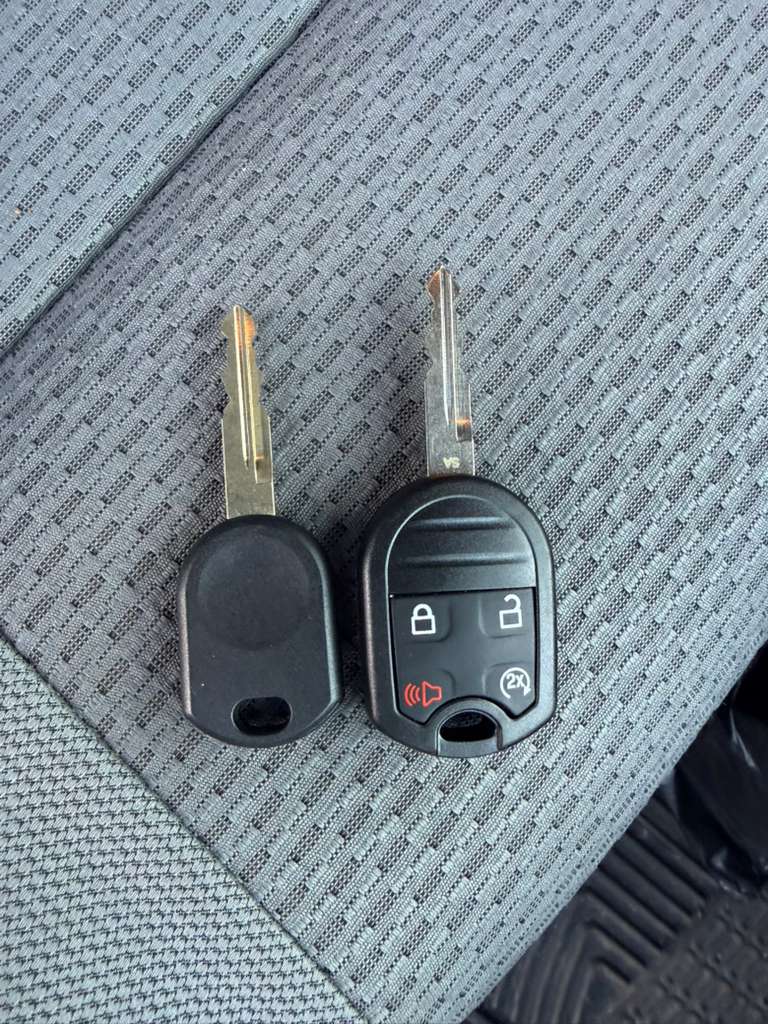
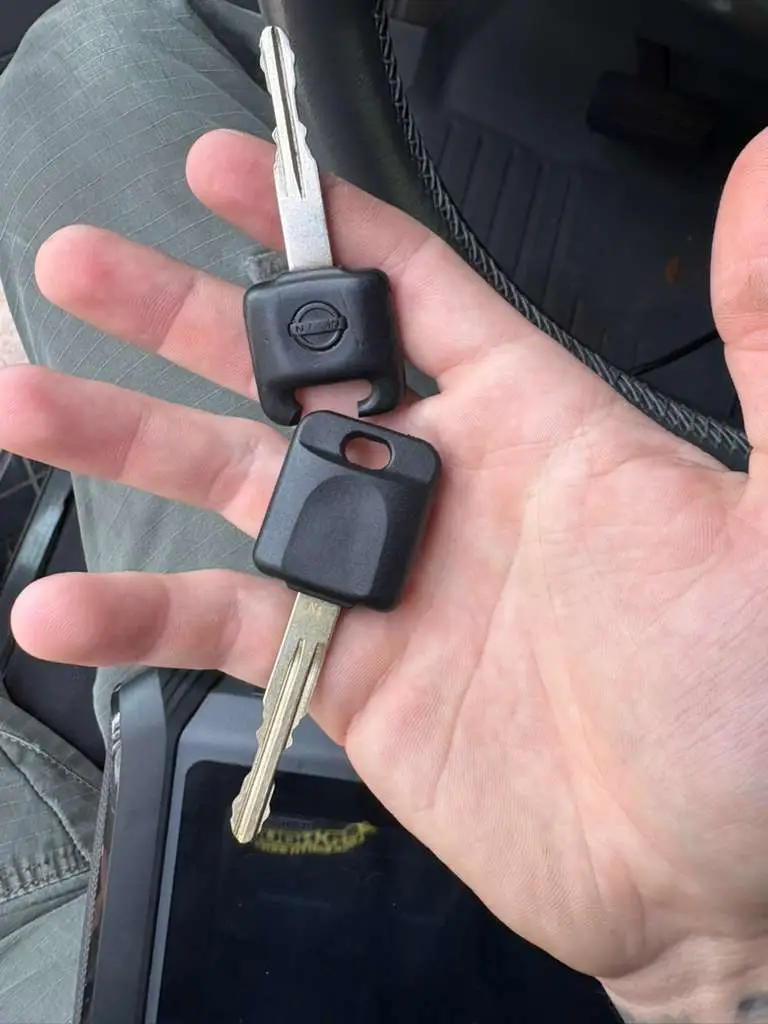
- What it looks like: A metal blade with a thick plastic head. May have a small dot, a key icon, or a red light on the dash when you turn it.
- How it works: A tiny chip in the head talks to the car. The car needs the right code to keep running.
- Common years: Late 90s and newer.
- Quick clues:
- You can unlock the door with the metal blade, but if the chip is wrong, the engine may start then die in a second.
- You might see a security light flash if the chip is not read.
Simple test: Start the car, then let it idle. If it starts and stalls right away with a plain copy, that points to a transponder system.
Key fob or smart key
- What it looks like: A remote with buttons. It may have no visible metal key. Some fobs hide a small metal blade inside for backup use.
- How it works: It sends signals from a battery to lock, unlock, and start. Push button start cars use fobs.
- Common years: 2010s and newer are very common, though many 2000s models use remote head keys.
- Quick clues:
- You can start the car with a Start button while the fob is in your pocket.
- Doors unlock with a press on the handle when the fob is nearby.
Simple test: If you cannot find any keyhole on the steering column and you see a Start button, you are using a fob system.
A fast picture guide, without the photos
Let’s paint the picture in words.
- Basic key: feels like a house key, thin head, no lights, no beep.
- Transponder key: thicker head, no button, plastic up top, car has a security light that turns off after the chip is read.
- Fob or smart key: buttons on the face, maybe trunk and panic. Sometimes a flip-out metal blade. Some have no blade at all.
Simple at-home tests you can do right now
You do not need a lab. You just need your key, your car, and 5 minutes. Be safe. Park, set the brake, and do not test in traffic.
- Button check: If your key has buttons for lock, unlock, or panic, you have a fob or a remote head key.
- Start button check: If your dash has a Start button and no keyhole, you have a fob system.
- Start and stall check: Try a plain metal copy if you have one. If it starts then stalls, your car needs a transponder chip to run.
- Battery check for fob: Stand 15 to 20 feet away. Press lock. If it works up close but not a few steps back, your fob battery might be weak, but it is still a fob.
- Hidden key blade check: On many fobs, there is a small slide switch. Slide it and pull out a tiny metal key. If you find one, that is a fob.
- Foil block check, quick and safe: Wrap just the head of your key in foil and try to start. If it still runs, it is a basic key. If it fails, you likely have a transponder. Unwrap it right after. Do not drive while wrapped.
What we usually see in Houston, TX
- Near The Galleria and along Westheimer Road, smart keys are common on late model imports and SUVs.
- Around older office parks off the Katy Freeway, we still see many transponder keys and some basic keys on work trucks.
Why your key type matters
- Cutting vs programming: A basic key needs cutting only. A transponder key needs cutting and programming. A fob needs pairing and sometimes a hidden blade cut.
- Speed on site: Knowing your type helps a tech bring the right gear. Less waiting by the curb.
- Spare planning: A spare for a basic key is easy. A spare fob needs setup. Knowing this helps you plan.
Little story time
A driver in Midtown swore his key was “just a key.” We checked the thick head and the flashing red light on his dash. That was a transponder all day. He laughed and said, “So my key’s smarter than me.” Not smart, just sneaky.
How to tell if your key is a hybrid
Many keys mix parts. That is normal.
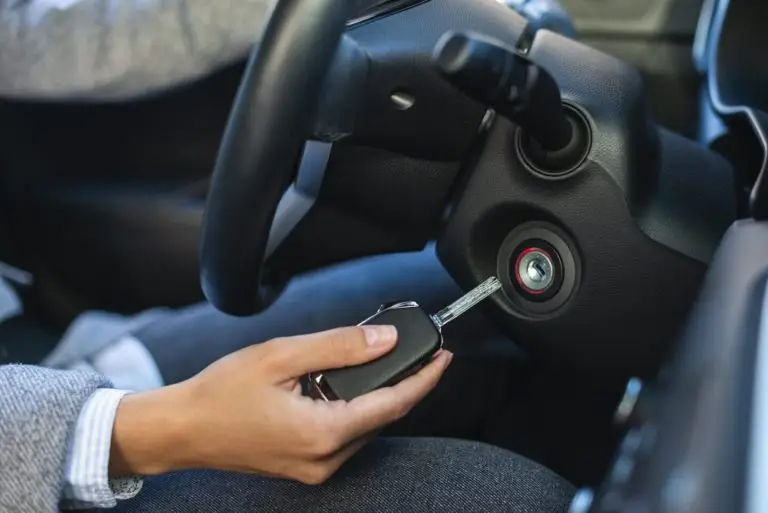
- Remote head key: Has buttons on the plastic head plus a metal blade. It is a fob and a key in one. Most still have a chip inside the head.
- Flip key: The metal blade flips out from the fob. It shares traits with fobs and transponder keys.
- Proximity fob with backup blade: Push button start but with a hidden blade for door backup. The blade does not start the car by itself in some models, but it can unlock the door if the fob battery dies.
Houston weather and your car key
Heat, sun, and humidity are real here. Summer in Houston can cook a dashboard. That affects keys.
- Heat: High heat can weaken plastic heads and drain fob batteries faster. Do not leave keys baking on the dash.
- Humidity and rain: Moisture can creep into a fob case. Buttons may stick. Keep a small zip bag in your console for pool days.
- Cold snaps: Rare here but they happen. Cold can make weak batteries drop even more. If a fob is flaky in cold mornings, swap the battery.
Troubleshooting quick steps
- If your fob only works up close, then replace the coin cell battery first.
- If your engine starts then shuts off fast, then your transponder chip may not be read, try a spare key.
- If buttons feel mushy, then open the fob case and check for grime, clean with a cotton swab and isopropyl alcohol, keep liquid away from the board.
- If your fob fell in water, then remove the battery right away and dry the case, do not press buttons while wet.
- If your basic key sticks in the lock, then spray a small shot of graphite or a lock dry lube, avoid oily sprays that collect dust.
- If your car says key not detected, then hold the fob next to the Start button or by the marked spot in the owner guide, many cars have a backup coil there.
- If the metal blade is bent, then stop using it and get a new cut, bent blades harm locks and ignitions.
- If nothing works after a battery swap, then you may need reprogramming or a new fob shell, bring the car and all keys to a pro.
Common myths and facts
- Myth: Any metal copy will start any car. Fact: Many cars need a matching transponder chip code or they will stall.
- Myth: Only a dealer can program keys. Fact: Mobile locksmiths with the right gear can program many keys on site.
- Myth: Fob batteries last forever. Fact: Most coin cells last 1 to 3 years based on use and heat.
- Myth: If the remote works, the key must be fine. Fact: The remote and the transponder chip are different parts. One can fail while the other still works.
Care and storage tips that pay off
- Keep keys out of direct sun when you park. A cup holder in the shade is better than the dash.
- Do not hang a heavy chain on your ignition key. Extra weight wears the ignition over time.
- Keep a spare fob battery in your glove box. Mark the year with a sharpie.
- Clean the fob case once a season. Sweat and sunscreen can gum up buttons.
- If your pockets carry coins, keep the key in the other pocket. Less scratches on the buttons.
Finding the key ID marks
Some keys have tiny marks that help.
- Plastic head marks: A dot, a key icon, or letters like TX or 4D on older heads can point to chip types.
- Fob model codes: Inside the fob case, you will often see FCC IDs. A tech can use that code to match parts.
- Blade style: High security blades have a smooth side with snake-like tracks. Those need a special cutter.
What to do if you lost the only key or fob
Stay calm. Here is a sane path.
- Check every pocket, bag, and that jacket on the back seat. It sounds silly, but found keys beat new keys.
- If you have a picture of your key code from the owner paperwork, keep it handy. It can speed things up.
- Be ready with your VIN and proof you own the car. That is for your safety.
- Call a mobile locksmith who handles your make. Many can cut and program on site.
Spare key game plan
- Basic key owners: Get a spare cut soon. Keep it at home or with a trusted friend.
- Transponder key owners: Ask for a spare chip key. Program it now so it works when you need it.
- Fob owners: Ask for a second fob and a cut backup blade. Store the spare fob somewhere safe, not in the car.
Little safety notes
- Do not try to pry open the ignition with a screwdriver. It can harm the lock and the steering wheel lock.
- Do not glue a chip to the steering column. That can leave your car open to easy theft.
- Do not tape a chip from a broken key to a new blank and call it done. That is a band-aid at best.
When to repair, when to replace
- Worn blade teeth: If your key slips or needs a wiggle, a fresh cut from the code can fix it.
- Cracked plastic head: A crack can let the chip fall out. Replace the shell or get a new key before it strands you.
- Fob buttons torn: Many fobs can take a new shell and new battery. Save the board and program from the old fob if it still works.
Programming basics in plain talk
- Transponder keys: The car and the chip swap codes. A tool tells the car to learn the new key. You may need all working keys present.
- Fobs and remotes: Some cars let you add a fob with a series of steps like turn key on, press buttons in a pattern. Many newer cars need a tool to pair.
- Push button start: These often need a special setup with the car powered on in a service mode. A pro sets it up so the car trusts the new fob.
How Houston traffic habits affect keys
Stop and go on Westheimer and long park times in hot lots speed up battery drain and plastic wear. If you valet or use park garages often, keep the spare blade handy. A dead fob in a concrete garage is no fun. Ask us how we know.
Care schedule
Weekly:
- Press each button once to keep contacts fresh.
- Wipe off dust and lint.
Monthly:
- Check the fob battery strength if you have a tester. If not, watch range. If range drops, plan a swap.
- Inspect the blade for bends and burrs.
Yearly:
- Replace the fob battery before summer. Heat is hard on coin cells.
- If you use a transponder key daily, make a spare and test it.
- Clean the door lock with a dry lube so the backup blade can still turn if the remote fails.
What to ask when you call a locksmith
- Year, make, model, and trim.
- Push button start or turn key start.
- Do you have any working keys or fobs left.
- Where the car is parked and if the wheels are turned hard against the curb.
- Any dash lights like security or key icons when you try to start.
If your key type still feels fuzzy
Use this cheat sheet.
- No buttons, all metal, starts the car: basic key.
- Thick plastic head, no buttons, starts and runs: transponder key.
- Buttons, maybe a flip blade, or a Start button car: fob or smart key.
Why your spare should not live in your car
A spare in the glove box helps the thief more than you. Keep the spare at home, in a safe, or with a trusted person. You want a plan that helps you, not the wrong guy.
Kids, pets, and keys
- Keep fobs out of reach. Tiny batteries are a hazard if swallowed. Store spare coin cells high and locked.
- If a fob battery goes missing, check the case and the floor at once. Better safe than sorry.
When a dealer visit makes sense
- Some high end cars need dealer-only codes or online access. A local pro can tell you if that is the case after a quick check.
- If the car is still under a factory plan, you may have a key or fob plan you can use. Check your owner packet.
FAQs
Q: Which car key do I have if my key is only metal and has no buttons?
A: That points to a basic key. If it starts and keeps running with a simple copy, it is basic.
Q: How do I know if I have a transponder key?
A: Look for a thick plastic head. If a plain copy starts then stalls, you have a transponder system.
Q: I have a Start button. What key do I have?
A: You use a fob or smart key. The car senses the fob when it is near.
Q: Can a locksmith program a new fob for my car?
A: For many models, yes. A mobile pro can cut any needed blade and program the fob on site.
Q: How long do fob batteries last in Houston heat?
A: Often 1 to 3 years. Heat and long parking times shorten life. Swap before summer if range drops.
Q: My fob fell in the pool. Can it be saved?
A: Remove the battery at once, dry the parts, and do not press buttons while wet. Many can be saved if you act fast.
Q: Do I need two keys to program a third?
A: Some cars ask for two working keys to add more. If you do not have two, a pro tool can often help.
Q: Is a spare worth it if I never lose things?
A: Yes. A spare saves time when batteries die, locks jam, or a key breaks. It is a small step that saves a big headache.
Q: My key turns but the car will not start. Is that the key?
A: Maybe. If a security light flashes, the chip may not be read. Try a spare key. If the light stays solid or other lights show, it could be the car.
Ready for help that comes to you across Houston, TX?
24 Hour Locksmith Service can check your key type, cut new blades, program transponder keys and fobs, and get you rolling again fast at your driveway, job site, or parking lot. Call <tel:+1>(832) 979-7899</tel:+1> or visit https://24hourlocksmith.day for friendly service that fits your schedule.